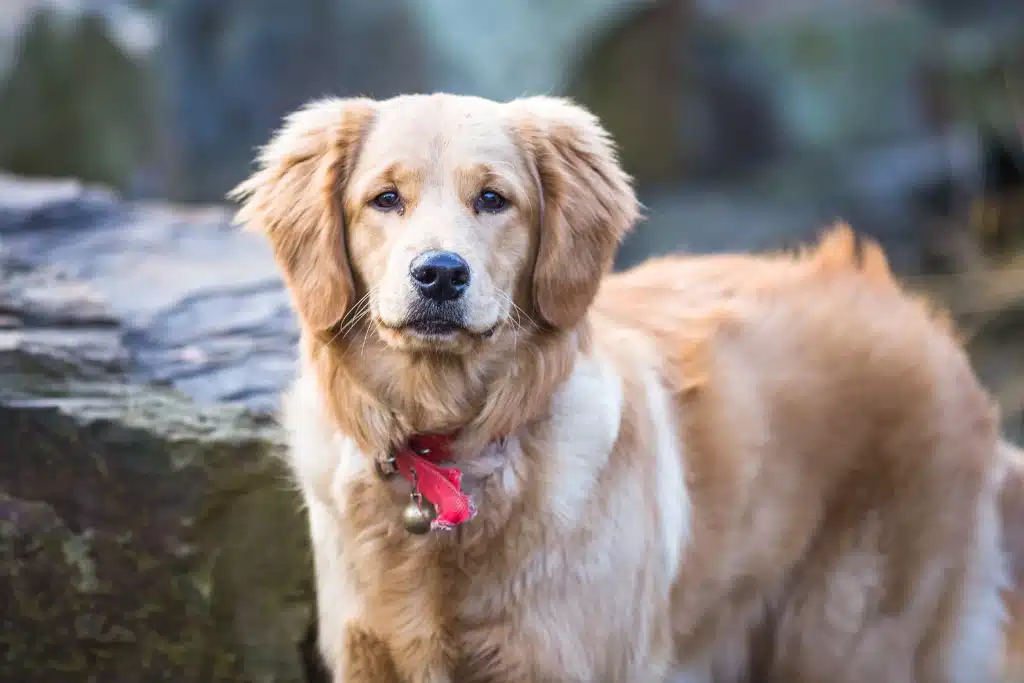
You’re booking a trip, and the thought hits you: should the dog come along?
I get it. The guilt of leaving them behind is real, and bringing them feels like the loving choice. But after caring for Ontario dogs since 2005, I’ve learned that taking your dog isn’t always the kindest option for the dog.
About 38% of Canadian households own a dog, and more of us than ever are weighing travel against our pets’ comfort. So before you book anything, it’s worth asking a simple question: would your dog actually enjoy this, or would they rather be home?
This guide walks you through that decision honestly, including when a trusted in-home sitting alternative beats packing up the car.
Not sure whether your dog would enjoy the trip? Learn how in-home dog sitting keeps them comfortable while you travel.
Before Booking Anything, Ask One Important Question: Is This Trip Actually Right for Your Dog?
We tend to imagine our dogs loving the adventure as much as we do. Sometimes that’s true. Often it isn’t.
The honest answer depends on your dog’s temperament, health, and how they handle change.
Why Many Dogs Prefer Routine Over Adventure
Here’s the thing most owners overlook: dogs are creatures of habit. Predictability is what makes them feel safe.
A new hotel room, unfamiliar smells, and a changed schedule can quietly stack up into real stress. The result? A dog who paces, won’t eat, or acts “off” the whole trip.
The solution isn’t to feel guilty. It’s to match the plan to your dog. For many dogs, staying home with in-home care keeps their routine intact, and a calm dog is a happy dog. We see the proof every week: pets who barely notice we’re not their owner because everything else in their day stays the same.
Research Snapshot
The numbers back this up. Research estimates that somewhere between 14% and 30% of dogs show anxiety-related behaviours, and separation anxiety specifically affects roughly 1 in 5.
Travel doesn’t create calm in an anxious dog. It usually amplifies whatever stress is already there.
Signs Your Dog May Not Enjoy Travelling
Your dog can’t say “I’d rather stay home,” but their body language can. Watch for these on car rides and short trips:
- Car sickness, drooling, or vomiting
- Excessive panting when the car isn’t hot
- Refusing food or treats they normally love
- Disrupted sleep or restlessness
- Reactivity or nervousness around strangers and new dogs
One or two off moments are normal. A pattern of these tells you travel may not be their thing.
Dogs Most Likely to Struggle on Vacation
In my experience, certain dogs find travel especially hard:
- Rescue dogs, who may have past trauma tied to vehicles or unfamiliar places.
- Senior dogs, who feel every bump and need steady routines.
- Medical-needs pets on medication or recovery schedules.
- Puppies, who are still learning the world and benefit from consistency and structured training at home.
- Reactive dogs, who find crowds and new dogs overwhelming.
If your dog fits one of these, home is often the gentler choice.
The Hidden Costs of Bringing Your Dog on Vacation
Even when a dog travels fine, the budget side surprises people. The dog’s ticket to ride adds up fast.
Let me walk you through the costs that rarely make it into the original plan.
Pet-Friendly Doesn’t Always Mean Stress-Free
“Pet-friendly” sounds reassuring, but it has limits. Many hotels charge extra, cap the number or size of dogs, and restrict where your pet can go on the property.
You may also find yourself skipping restaurants, attractions, and tours because they don’t allow dogs. The trip ends up planned around the dog rather than around you.
The Costs Most Owners Forget to Calculate
When I help owners tally the real numbers, these are the ones that get missed (figures below are local estimates and vary by location and season):
Hotel Pet Fees
Often $25–$75 per night, sometimes as a non-refundable cleaning charge.
Transportation Costs
Extra fuel for stops, or pet fees on flights and rentals.
Extra Supplies
Crates, harnesses, cooling mats, food, and comfort items for the road.
Emergency Veterinary Expenses
An unfamiliar city means an unfamiliar, often pricier, emergency clinic if something goes wrong.
Lost Vacation Flexibility
The hardest cost to price: the spontaneous plans you give up because the dog needs a walk, a break, or a quieter room.
Comparing Vacation Costs vs Professional In-Home Care
Once those hidden costs are on the table, the comparison often shifts:
| Vacation With Dog | In-Home Pet Sitting |
| Travel stress and motion sickness | Familiar environment, no transit |
| Hotel pet fees and surcharges | Predictable, upfront pricing |
| Schedule and venue restrictions | Routine fully maintained |
| Transport and road risks | Home comfort, no risk |
Many Ontario pet owners are surprised to discover that professional in-home care can cost less than travelling with a dog once the hidden expenses are added up.
Car Travel Safety Every Ontario Dog Owner Should Understand
If you do decide to bring your dog, please don’t let them ride loose. This is the part owners underestimate most, and it matters.
A safe setup protects your dog, you, and everyone else on the road.
Why Loose Dogs in Vehicles Are Risky
An unrestrained dog is a distraction, plain and simple. A pup on your lap or climbing between seats pulls your attention off the road.
In a sudden stop, an unrestrained dog becomes a projectile. Even at city speeds, that can cause serious injury to the dog and to you. Emergency braking is exactly when you need your dog secured.
Essential Car Safety Equipment
A few pieces of gear make a real difference:
Crash-Tested Harnesses
Look for harnesses actually tested in crash simulations, not just labelled “safety.”
Travel Crates
A secured, well-ventilated crate is one of the safest options for many dogs.
Water and Cooling Supplies
Spill-proof bowls, water, and a cooling mat for warm stretches.
Emergency Travel Kits
Your vet’s number, vaccination records, a first-aid kit, and a recent photo in case your dog gets loose.
Seasonal Ontario Travel Challenges
Our weather adds its own wrinkles, and they differ by city.
Ottawa Winter Road Conditions
Snowstorms and icy highways mean long, unpredictable delays. A dog stuck in a cold car during a stop on the 416 is a real concern. For many downtown and apartment dogs, keeping their winter routine at home is simply safer than risking the roads.
Hamilton Summer Humidity
Hamilton’s humidity climbs fast, and a car heats up faster. High-energy breeds heading to the escarpment can overheat quickly, so never leave a dog in a parked vehicle, even briefly.
Mississauga Traffic and Airport Travel
Pearson-area travel often means long stretches in stop-and-go traffic. Extended vehicle time tests even a calm dog’s patience, and a flight on top of it adds another layer of stress.
When Home Comfort Is Actually the Better Choice
There’s a quiet truth in this work: for a lot of dogs, the best vacation is the one where they stay home.
It’s not about loving them less. It’s about reading what they actually need.
Why Familiar Surroundings Reduce Stress
Home is where everything makes sense to your dog. The smells, the couch corner they always nap in, the squeak of the back door.
When we provide in-home dog sitting, we keep all of that steady. Same feeding times, same walk schedule, same bed. That consistency does more for a dog’s wellbeing than any new view ever could.
Medical and Special-Needs Dogs Benefit Most
This is where home care really earns its place. For a dog on medication or recovering from surgery, a missed dose or a broken routine isn’t a small thing.
The risk is real: skipped meds, unnoticed complications, and a recovery that stalls. The solution is trained, consistent care. Our in-home medical support keeps doses on time and watches for early warning signs, which is exactly what a fragile or senior dog needs. The proof is in the dogs who recover calmly at home rather than stressing in a strange place.
Multi-Pet Households Often Travel Better Without Travelling
If you’ve got two dogs and a cat, you already know the logistics of moving everyone are a headache. Multiple carriers, multiple temperaments, multiple things to go wrong.
Keeping the whole crew home, cared for together in their own space, is usually far less stressful for them and for you. One in-home plan covers the household.
If your dog values routine more than adventure, professional in-home care often provides the safest and most comfortable experience.
Vacation With Your Dog or Hire a Pet Sitter? A Simple Decision Framework
There’s no universal right answer here. The best choice is the one that fits your specific dog.
Here’s the framework I share with owners who are on the fence.
Take Your Dog If…
- They genuinely enjoy car rides and new places.
- The trip involves short drives, not marathon hauls.
- Your itinerary is truly pet-friendly, with dog-welcome stops.
- Your dog has a low-anxiety, easygoing temperament.
If most of these are true, your dog may be a great travel buddy.
Choose Professional In-Home Care If…
- Your dog has medical needs or takes daily medication.
- You’ve got a senior, rescue, or reactive dog.
- It’s a longer trip where stress would build.
- Your plans change often, and flexibility matters more than packing the dog.
When several of these apply, home care is usually the kinder call.
Hybrid Solutions That Many Ontario Owners Prefer
You don’t always have to choose all or nothing. Many owners I work with mix approaches.
That might mean travelling solo for part of a trip, booking drop-in visits or overnight care, or pairing pet care with house sitting so your home is watched too, mail collected and plants kept alive while you’re gone.
Why Many Ontario Pet Owners Choose Loving Paws Instead
When owners decide home is best, here’s why so many of them trust us with it.
Nearly 20 Years of Trusted In-Home Care
We’ve cared for Ontario dogs since 2005, and over that time we’ve served more than 5,000 clients. Our 4.9-star reputation across 75-plus reviews reflects something simple: we treat your dog like our own. You can read more about our story and team if you’d like to know who’d be at your door.
Professional Standards That Casual Options Often Lack
This is where we differ from a favour from a neighbour or a random app booking. Every caregiver on our team is insured, bonded, and background-checked.
We follow Pet Sitters International standards, the recognized benchmark for professional, ethical pet care. That structure is your safety net.
Transparency That Reduces Owner Anxiety
I know that even with great care, you’ll miss your dog and wonder how they’re doing. So we keep you in the loop.
You get photo updates and detailed E-Diary visit reports, plus clear communication throughout your trip. Seeing your dog mid-belly-rub does wonders for vacation peace of mind.
Specialized Care Beyond Basic Pet Sitting
Medication Administration
On time, every time, by someone trained to do it.
Post-Operative Monitoring
Careful watching during recovery, with an eye for trouble.
Senior Pet Support
Patient, gentle routines built around older dogs.
Virtual Veterinary Consultation Support
Remote vet consultations when a quick professional opinion would help.
Comparing Loving Paws vs Rover, Pawshake, and Boarding Facilities
Here’s how the options tend to stack up:
| Factor | Loving Paws | Rover / Pawshake | Boarding Facility |
| Consistency | Same trusted team, steady routine | Varies by sitter | New environment for the dog |
| Vetting | Background-checked caregivers | Varies by individual | Staff varies |
| Backup Coverage | Team-based, someone always steps in | Usually one sitter | Facility-dependent |
| Communication | Photo updates and E-Diary reports | Inconsistent | Limited |
| Medical Care | Trained medication and post-op support | Hit or miss | Basic |
| Home Comfort | Dog stays in their own home | In-home or sitter’s home | Kennel setting |
| Accountability | Answerable to the business and PSI standards | Platform-dependent | Varies |
Discover why thousands of Ontario pet owners trust Loving Paws when travel plans and pet wellbeing need to work together.
Local Considerations for Ottawa, Hamilton, and Mississauga Dog Owners
Travel realities aren’t the same across our cities. Here’s what I keep in mind for each.
Ottawa Travel Challenges
Ottawa winters complicate everything. Snowstorms cause long travel disruptions, and that’s no time to have a dog stuck in a vehicle.
A lot of our Ottawa clients are government and contract workers with travel-heavy schedules, often living in downtown condos near ByWard Market. For them, dependable in-home care keeps a dog’s routine steady, with a good romp at Bruce Pit when the weather cooperates.
Hamilton Dog Owner Considerations
Hamilton‘s escarpment lifestyle draws active, high-energy breeds that need real exercise to stay settled.
Trails around Dundas Valley Conservation Area and walks near Bayfront Park are great outlets, but summer humidity is no joke. We watch the heat closely and adjust walks so an energetic dog stays cool and safe rather than overheating in a hot car.
Mississauga Travel Realities
Living near Toronto Pearson International Airport means frequent flights and business trips, so reliable pet care on standby matters.
Many Mississauga homes are busy, multi-pet households. We keep dogs in their own space with calm walks along the Credit River or through Port Credit, and house sitting adds home security while you’re away.
Dog Vacation Myths Every Ontario Pet Owner Should Know
A lot of well-meaning beliefs steer owners wrong. Let me clear up the big ones.
Myth: Taking Your Dog on Vacation Is Always Better
It feels like the loving choice, so we assume it’s the right one.
Fact: Many Dogs Prefer Home Comfort
For routine-loving, anxious, senior, or medical dogs, staying home is often the gentler, healthier option.
Myth: Professional Pet Sitting Is Too Expensive
People picture a luxury price tag and stop there.
Fact: Hidden Travel Costs Often Change the Math
Hotel pet fees, supplies, and lost flexibility add up fast. In-home care is frequently the more affordable path.
Myth: All Pet Sitters Offer the Same Level of Care
A sitter is a sitter, right? Not quite.
Fact: Training, Insurance, and Communication Matter
Vetting, bonding, medical training, and clear updates are the difference between hoping it goes well and knowing it will.
Frequently Asked Questions
Is it stressful for dogs to go on vacation?
It can be, especially for dogs who thrive on routine. New environments, travel, and changed schedules can trigger anxiety. Easygoing dogs may enjoy it, while anxious, senior, or medical-needs dogs usually do better at home.
How do I know if my dog enjoys travelling?
Watch their body language on car rides and short trips. Car sickness, heavy panting, refusing food, restlessness, or nervousness around strangers are signs travel may stress them. Calm, curious behaviour suggests they handle it well.
Are pet-friendly hotels worth the extra cost?
Sometimes, but factor in pet fees, size and breed restrictions, and limited dog-welcome spaces. Once those add up, many owners find in-home care offers better value and far less stress for the dog.
Is in-home pet sitting better than boarding?
For most dogs, yes. Staying in their own home keeps familiar smells, routines, and comfort intact, which lowers stress compared with a kennel. In-home care also avoids exposure to other animals.
What is the safest way to travel with a dog in Ontario?
Always secure your dog with a crash-tested harness or a ventilated travel crate. Never leave them in a parked car, bring water and records, and plan for our seasonal extremes: icy roads in winter and heat in summer.
Should senior dogs travel or stay home?
Senior dogs usually do better at home. They feel travel more acutely and often need steady routines and medication timing. In-home care keeps their world calm and consistent.
Can a pet sitter administer medication while I’m away?
A trained professional can. This is one of the biggest reasons to choose experienced in-home care over a casual option, since reliable dosing and monitoring protect your dog’s health while you’re gone.
What happens if my dog experiences separation anxiety?
A skilled sitter manages it with consistent routines, familiar surroundings, and patient attention. Keeping your dog in their own home, rather than a new environment, already reduces a major anxiety trigger.
How does house sitting help while I’m travelling?
House sitting combines pet care with home security, so your dog keeps their routine while your mail is collected and plants are watered. It also makes your home look lived-in, which adds peace of mind.
The Best Vacation Decision Is the One That Prioritizes Your Dog’s Well-being
So, should your dog come along? The honest answer is: it depends on your dog.
An easygoing pup on a short, pet-friendly trip might love it. A senior, anxious, or medical-needs dog will almost always be happier and safer keeping their routine at home.
There’s no one-size-fits-all answer, and there’s no guilt in choosing home. Putting your dog’s routine, safety, and comfort first is the loving choice, whichever way it points.
Before planning your next trip, speak with us about an in-home care plan tailored to your dog’s personality, health needs, and routine, so you can travel with confidence and real peace of mind.