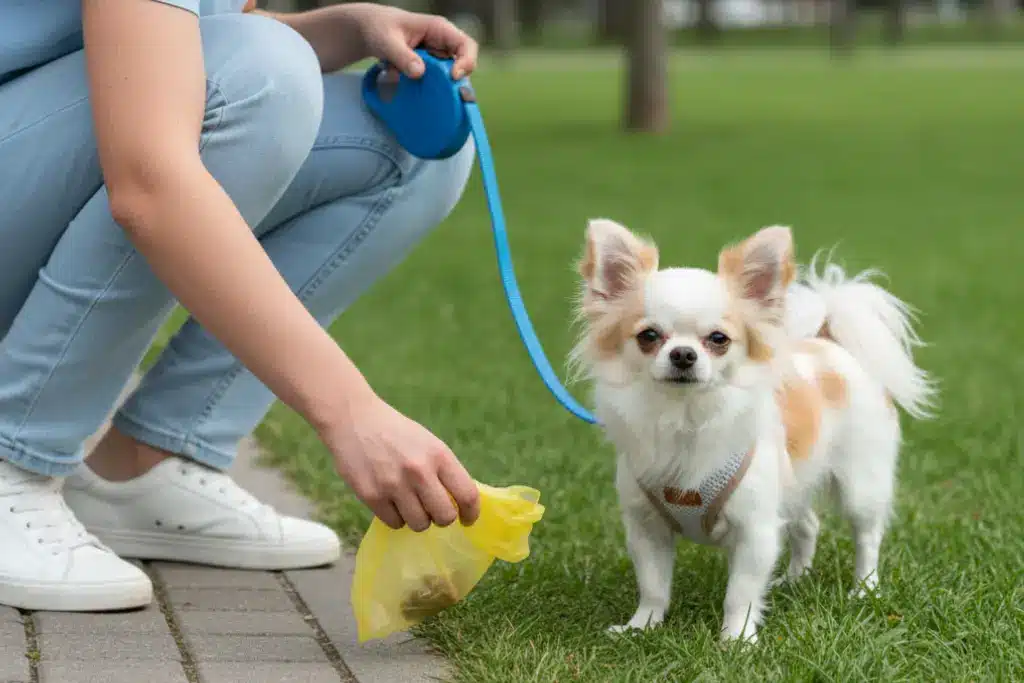
You’ve just picked up after your dog at Bruce Pit, and something looks different. Maybe the colour’s off, or the consistency isn’t what you’re used to. You’re standing there wondering if you should worry, call the vet, or just wait it out.
You’re not overthinking it. Dog poop is one of the earliest and most reliable indicators of your pet’s health. Changes in stool can signal anything from mild stress to serious digestive issues, often before your dog shows other symptoms.
If you’re ever away and worried about missing health changes like these, professional in-home care can make a real difference. Loving Paws caregivers are trained to monitor these details daily, so nothing important slips through the cracks while you’re at work or travelling.
Why Dog Stool Is One of the Most Important Health Signals
Here’s something most vets will tell you: 20–30% of veterinary visits are related to gastrointestinal issues. That’s a significant number, and it points to how common and how important digestive health really is.
Your dog’s stool reflects digestion, hydration levels, stress, parasite activity, and more. It’s a daily health report that happens naturally, without needing bloodwork or expensive tests.
What makes stool especially valuable is timing. Changes often appear days before you notice behavioural symptoms like lethargy, appetite loss, or discomfort. Catching those early signs can mean faster treatment and less suffering for your dog.
The Stool Consistency Chart (1–7 Scale Explained)
Veterinarians use a stool consistency chart that runs from 1 to 7. It’s a simple visual tool that helps you understand what’s normal and what’s not.
Here’s how it breaks down:
- 1–2: Hard, dry pellets (constipation)
- 2–3: Firm, well-formed, easy to pick up (ideal range)
- 4–5: Soft, losing shape, leaving residue
- 6–7: Liquid or watery (diarrhea)
Most healthy dogs produce stool in the 2–3 range. It should hold its shape, be easy to scoop, and happen consistently each day.
Tracking consistency over time matters more than obsessing over a single oddball poop. If your dog’s stool stays in the soft or hard range for more than a day or two, it’s worth paying attention.
Why Urban Dogs Are More Prone to Digestive Changes
Dogs living in Ottawa condos or Mississauga apartments face unique digestive challenges compared to their rural counterparts.
Less daily exercise, especially during harsh winters, can slow digestion and lead to constipation. Routine disruptions from owner travel, work schedules, or boarding also trigger stress-related GI upset.
When you’re not home to monitor these patterns yourself, small changes can snowball. That’s why in-home care providers who maintain your dog’s normal routine, feeding times, and exercise schedule can help protect their digestive health.
What Different Poop Colors Mean (And When It’s Serious)
Colour is one of the most obvious indicators of what’s happening inside your dog’s system. Some colours are harmless. Others require immediate veterinary attention.
Here’s what to look for and when to act.
Brown & Firm, What “Healthy” Looks Like
Healthy dog stool is medium to dark brown, well-formed, and produced once or twice daily depending on your dog’s size and diet.
The brown colour comes from bile, which helps digest fats. As long as your dog’s eating normally, staying hydrated, and maintaining their usual energy level, consistent brown stool is a good sign.
Frequency matters too. Some dogs go once a day, others twice. What’s important is consistency in their pattern.
Yellow, Green, or Pale Stool
Yellow or green stool can mean a few different things. If your dog’s been eating grass at Bayfront Park or Dundas Valley, green poop is usually harmless; it’s just chlorophyll passing through.
But pale yellow or chalky stool can indicate a bile or gallbladder issue, especially if it’s accompanied by vomiting or appetite loss.
In Ontario, Giardia (a parasite common in shared water sources and dog parks) can also cause yellowish, greasy-looking diarrhea. If you notice this alongside weight loss or a dull coat, your vet should run a fecal test.
Black, Bloody, or Mucus-Covered Stool
This is where you need to pay close attention.
Black, tarry stool often indicates digested blood from the upper GI tract. It can be caused by ulcers, certain medications, or internal bleeding. This isn’t always cancer; many cases are treatable, but it requires a vet visit.
Bright red blood, especially in small amounts, usually comes from the lower intestines or rectum. It’s often linked to colitis, dietary irritation, or straining.
Mucus-covered stool in small amounts is normal. But if you see large amounts of mucus or it’s paired with diarrhea and lethargy, that’s a red flag for inflammation or infection.
Soft Stool, Diarrhea & Boarding Stress, The Hidden Connection
Here’s something a lot of pet owners don’t realize until it happens: 30–50% of dogs experience some level of GI upset from stress alone.
Boarding facilities, even good ones, are loud, unfamiliar, and filled with the scent of other animals. Your dog’s eating at different times, sleeping in a strange kennel, and dealing with a completely disrupted routine.
That stress doesn’t just affect behaviour. It directly impacts digestion. Soft stool and diarrhea are incredibly common in the first 24–48 hours of boarding, and some dogs don’t bounce back until they’re home again.
Why In-Home Care Reduces Digestive Upset
When your dog stays home, they’re in their own space. Same couch, same bed, same feeding spot. Their body doesn’t have to adapt to new surroundings or cope with separation anxiety in an overwhelming environment.
In-home caregivers maintain your dog’s exact feeding schedule, walk routes, and bedtime routine. That stability protects their digestive system from stress-triggered upset.
We’ve seen it time and again with anxious dogs and rescue animals, staying home means fewer stomach issues, better appetite, and faster recovery if they were already dealing with a sensitive stomach.
This is why Loving Paws caregivers are trained to monitor stool, appetite, and behaviour, not just walks and feeding.
Ontario-Specific Factors That Affect Dog Digestive Health
Living in Ontario brings seasonal and lifestyle factors that directly impact your dog’s digestion. Let’s break down what matters in each city.
Ottawa Winters & Apartment Living
Ottawa winters are long, cold, and tough on outdoor routines. When it’s -20°C, even the most active dogs spend more time indoors.
Reduced activity slows digestion, which can lead to constipation or harder stool. Indoor monitoring becomes critical because you might not notice small changes if your dog’s only going out for quick bathroom breaks near ByWard Market or around the block.
Cold weather also affects hydration. Dogs don’t always drink as much in winter, which compounds digestive slowness.
If you’re working long hours or travelling during winter months, having someone check in daily ensures your dog’s staying hydrated, getting enough movement, and producing normal stool.
Hamilton Humidity & High-Energy Breeds
Hamilton’s summer humidity, especially near the escarpment, can dehydrate dogs faster than owners expect.
High-energy breeds like Labrador Retrievers, Border Collies, and German Shepherds are especially vulnerable. They run hard at places like Dundas Valley or Bayfront Park, then crash at home without drinking enough water.
Dehydration affects digestion. It can cause harder stool, slower bowel movements, and even vomiting in extreme cases.
Timing your dog’s exercise around cooler parts of the day and ensuring they have constant access to fresh water helps. When you’re not home to manage that, an experienced caregiver can adjust walk times and monitor hydration closely.
Mississauga Travel & Pearson Airport Proximity
If you live near Toronto Pearson Airport, there’s a good chance you travel more frequently than the average pet owner. That means your dog’s routine gets disrupted more often.
Frequent boarding or last-minute care arrangements create stress patterns that show up in stool consistency. Dogs who are anxious travellers or don’t adapt well to change are especially prone to digestive upset during these periods.
Maintaining the same caregiver, someone your dog knows and trusts, reduces that stress significantly. Familiarity matters, especially for dogs who’ve had digestive issues in the past.
Loving Paws serves the Port Credit and Credit River areas specifically because we understand how common travel is here, and how much stability matters when owners are away.
When to Worry? Signs You Should Call a Vet Immediately
Not every weird poop is an emergency. But some situations require professional attention right away.
Call your vet if:
- Diarrhea lasts more than 48 hours
- You see large amounts of blood (bright red or black)
- Stool is paired with vomiting, lethargy, or refusal to eat
- Your dog is straining repeatedly with little or no output
- You notice sudden weight loss or bloating
Puppies and senior dogs are at higher risk for serious complications from GI issues. Dehydration happens faster in both age groups, and what seems minor can escalate quickly.
If you’re unsure, err on the side of caution. A quick phone call or virtual vet consultation can give you peace of mind or confirm that it’s time to bring your dog in.
How In-Home Care Helps Catch Problems Early
Here’s the reality: you can’t monitor your dog’s stool if you’re not there to see it.
Professional in-home caregivers observe your dog’s bathroom habits daily. They notice subtle changes, softer stool, straining, reduced frequency, that might not seem urgent on day one but matter by day three.
At Loving Paws, our caregivers document these observations in e-diary notes. If something looks off, we’ll reach out immediately so you can consult your vet remotely or schedule an appointment before the issue gets worse.
That kind of proactive monitoring has prevented more than a few emergency vet visits over the years. Early detection makes all the difference.
Myths vs Facts About Dog Poop & Pet Sitting
Let’s clear up a few common misconceptions.
Myth: All diarrhea means your dog ate something bad.
Fact: Stress, routine changes, and anxiety cause GI upset just as often as dietary indiscretion.
Myth: Healthy dogs have perfectly consistent stool every single day.
Fact: Minor variations are normal. What matters is the overall pattern over several days.
Myth: In-home pet sitters don’t pay attention to health details like stool.
Fact: Trained caregivers monitor stool, appetite, energy, and behaviour as part of standard care, especially for medical or senior pets.
Myth: If my dog’s stool looks normal, their digestion is fine.
Fact: Appetite changes, bloating, and discomfort can appear before stool changes. Observation needs to be holistic.
Myth: Boarding facilities will notify me if something’s wrong.
Fact: In busy kennels, staff may not notice subtle changes. In-home care provides one-on-one attention that catches small issues early.
Why Loving Paws & House Sitting Is Different for Health Monitoring
When you’re away, you’re trusting someone else to notice what you’d notice. That’s not a small responsibility.
App-based platforms like Rover or Pawshake connect you with individual sitters, but there’s no guarantee they’re trained in health observation, medical care, or stress management. You’re often meeting someone new each time, which doesn’t give your dog consistency or build the trust needed for accurate health monitoring.
Loving Paws has been serving Ottawa, Hamilton, and Mississauga since 2005. Our team of 15+ certified caregivers is background-checked, insured, and bonded. We follow Pet Sitters International standards, which include health monitoring as a core responsibility, not an add-on.
We use the Ready-Key program for secure, seamless access to your home. Every visit includes photo updates and e-diary notes that document your dog’s stool, appetite, behaviour, and energy level. If something’s off, you’ll hear from us right away.
In-home care isn’t just about comfort; it’s about safety and early detection.
FAQ, Dog Poop, Digestive Health & In-Home Care
What does green dog poop usually mean?
Green stool is most often caused by eating grass, which is harmless. If your dog hasn’t been grazing and the green stool continues for more than a day, it could indicate a gallbladder issue or Giardia. Watch for other symptoms like vomiting or lethargy.
How long is diarrhea normal in dogs?
Mild diarrhea that resolves within 24 hours is usually nothing to worry about. If it lasts more than 48 hours, or if your dog shows signs of dehydration, lethargy, or blood in the stool, call your vet.
Can stress alone cause digestive issues?
Absolutely. Stress triggers the release of cortisol and other hormones that directly affect gut motility and digestion. Boarding, travel, routine changes, and separation anxiety are common culprits.
Is floating poop ever normal?
Occasionally, yes. Floating stool can indicate excess fat or gas in the digestive system, which might be tied to diet. If it’s a one-time thing, monitor. If it’s persistent, your vet may want to rule out malabsorption issues.
How often should I monitor my dog’s stool?
Daily observation is ideal, especially if your dog has a history of digestive sensitivity, anxiety, or medical conditions. Tracking patterns over time helps you catch changes early.
Is in-home pet sitting safer than boarding for health?
For dogs prone to stress, anxiety, or digestive upset, yes. In-home care eliminates the environmental stressors of boarding, noise, unfamiliar surroundings, and routine disruption, all of which can trigger GI issues.
Do pet sitters really notice medical issues?
Professional, trained pet sitters do. At Loving Paws, health monitoring is part of our standard protocol. We document stool consistency, appetite, behaviour, and energy in daily e-diary notes so you’re never in the dark about your dog’s well-being.
Final Thoughts
You’re not a bad pet parent for missing a stool change when you’re juggling work, travel, or family responsibilities. Life is busy, and you can’t be everywhere at once.
But you also don’t have to watch every walk yourself. Trusted, professional in-home care gives you the peace of mind that someone’s paying attention to the details that matter, especially the ones that show up in your dog’s stool before anything else does.
We’ve been doing this in Ottawa, Hamilton, and Mississauga for nearly 20 years. We’ve seen what early observation can prevent, and we’ve helped hundreds of pet owners avoid the stress, cost, and heartbreak of missed health warnings.
Book trusted, in-home care with Loving Paws & House Sitting, so nothing important gets missed.