You’re heading out of town, and suddenly you’re second-guessing everything. Did you leave enough food? Should you switch to wet food while you’re gone? What if your dog refuses to eat for the sitter?
We get it. Feeding feels simple until you’re handing over the responsibility to someone else, or realizing your pet isn’t thriving the way you expected.
Since 2005, we’ve fed over 5,000 pets across Ottawa, Hamilton, and Mississauga. We’ve seen the portion mistakes, the picky eater patterns, and the prescription diet shortcuts that derail progress. And here’s what we’ve learned: most feeding problems aren’t about the food itself. They’re about consistency, measurement, and understanding what your pet actually needs.
If feeding feels confusing, you’re not alone. We see it every day.
What Feeding 5,000+ Pets Taught Us (That Google Won’t)
There’s a difference between reading advice online and watching what actually happens in someone’s home.
We’ve worked with anxious rescue dogs who won’t eat unless their routine stays exactly the same. Senior cats on prescription diets whose owners didn’t realize treats were cancelling out the benefits. Multi-pet households where the Labrador steals from the smaller dog’s bowl every single time.
These aren’t edge cases. They’re daily realities.
What we’ve learned is this: feeding mistakes are rarely about neglect. They’re usually emotional, giving extra because it feels like love, switching foods because you want variety, adding toppers because you feel guilty.
Most Pets Aren’t Hungry, They’re Overfed
Between 50% and 60% of pets in Canada are overweight or obese. Most owners don’t realize it until a vet flags it during a checkup.
The problem isn’t intentional overfeeding. It’s visual guessing instead of measuring. It’s adding “just a little extra” at dinner. It’s not accounting for treats, table scraps, or training rewards.
We see it constantly: a scoop that’s closer to 1.5 cups instead of the recommended one cup. A cat getting fed three times a day when twice would be plenty. A small dog getting the same portion size as a medium one.
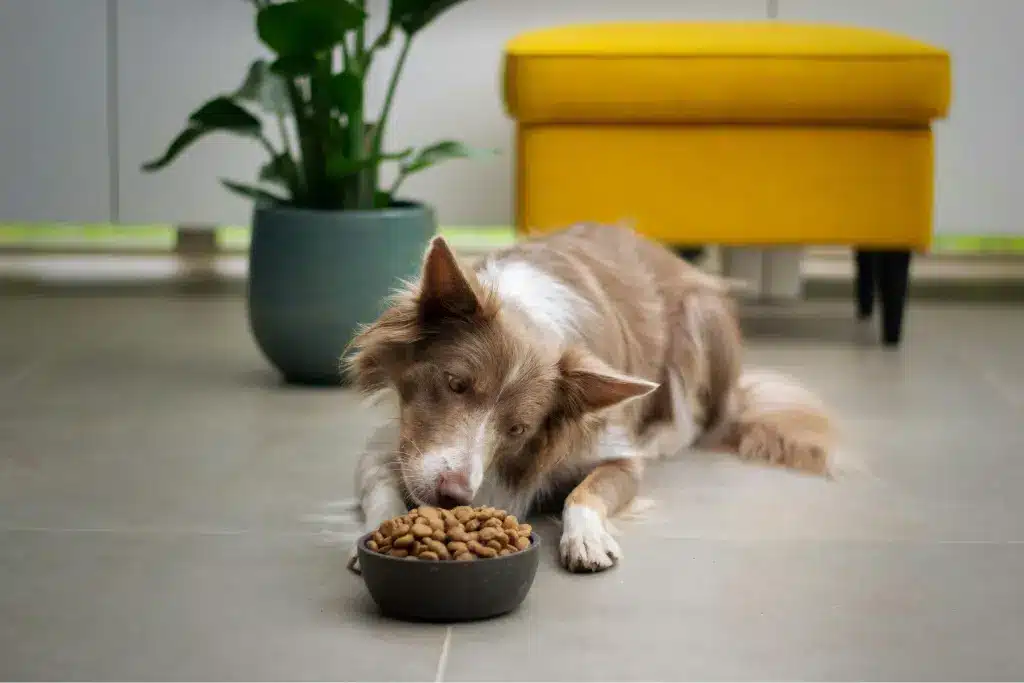
When we take over feeding during a visit, we follow the portions you’ve set, but we measure them. Every time. We log what goes in the bowl, what gets eaten, and any changes in appetite. It’s not complicated, but it is consistent.
And that consistency? It’s what most pets are missing.
Feeding Consistency Beats “Variety”
Pet food marketing makes you think variety is important. It’s not, at least not the way you might assume.
Frequent food changes can upset your pet’s digestive system. Dogs and cats don’t crave novelty the way humans do. What they crave is predictability.
We’ve cared for pets whose owners rotate proteins weekly, thinking it’s healthier. Then the pet develops loose stools, refuses meals, or becomes anxious around feeding time. The “variety” created stress, not satisfaction.
Anxious pets especially need routine. The same food, same bowl, same spot, same time. When we care for pets with separation anxiety, keeping their feeding routine identical to what they’re used to is one of the most important things we do.
If your pet is thriving on their current food, there’s no reason to change it.
Portion Control Is the #1 Thing Owners Get Wrong
Ask most pet owners how much they feed, and you’ll get an answer like “about a cup” or “two scoops.”
That’s the problem. “About” doesn’t work when calorie density varies between foods, activity levels change seasonally, and your pet’s metabolism slows as they age.
Condo dogs in downtown Ottawa aren’t burning the same calories as a dog running trails at Bruce Pit every morning. A Hamilton cat in a house with stairs gets more movement than one in a Mississauga apartment. But both might be getting the same portion size, because their owners are guessing.
We’ve worked with senior dogs who were still being fed puppy portions. High-energy breeds getting kibble meant for low-activity pets. It adds up faster than you think.
Why “Three Meals a Day” Backfires
Some owners feed their pets three times a day, thinking it’s gentler on digestion or keeps energy steady.
For most adult dogs and cats, it’s overkill. It creates an energy imbalance, with more calories coming in than going out, and it trains pets to expect food constantly.
Puppies and kittens need frequent meals while they’re growing. Senior pets with medical conditions might benefit from smaller, more frequent portions. But the average healthy adult pet? One to two meals a day is enough.
We’ve also seen this with small pets. Rabbits and guinea pigs get overfed pellets when they should be eating mostly hay. Owners think more food equals better care, but it leads to obesity and digestive issues.
Loving Paws’ Portion Reality Check
When you book with us, we ask for specific feeding instructions: brand, amount, timing. Not “feed twice a day”, we need to know exactly how much.
If you’re traveling and want to make things easier, pre-portion meals in containers or bags. Label them with the day and time. It removes guesswork and ensures your pet gets exactly what they need, even if your flight’s delayed or you’re gone longer than planned.
We confirm every feeding with a photo update. You’ll see the bowl, the portion, and your pet eating (or not eating, which we also report). It’s part of our e-diary system, transparency that lets you relax while you’re away.
Accurate feeding requires consistency, not guesswork.
Prescription Diets Aren’t Optional (And We See the Difference)
Somewhere between 20% and 30% of the pets we care for are on prescription diets. Kidney support for senior cats. Urinary health formulas. Gastrointestinal support after surgery. Weight management for dogs with joint issues.
When followed correctly, these diets work. Pets feel better, symptoms improve, and vet visits become less frequent. But we’ve also seen what happens when owners don’t stick to the plan, and it’s more common than you’d think.
Where Owners Accidentally Undermine Vet Care
Prescription diets are designed to work as a complete system. Adding treats, mixing in regular food, or giving “just a little bit” of human food can cancel out the benefits.
We’ve cared for cats on urinary health diets whose owners still gave them their favourite treats. The treats contained the exact minerals the prescription food was designed to limit. The diet couldn’t work.
Same with dogs on gastrointestinal support. Owners feel bad saying no to table scraps, so they give a bite here and there. Then the dog has an upset stomach, and the owner doesn’t connect it to the food they gave; they think the prescription diet isn’t working.
It’s not judgment. It’s pattern recognition from years of seeing this play out.
Why In-Home Care Protects Medical Feeding
When you board a pet on a prescription diet, there’s always a risk. Kennels manage dozens of animals at once. Food gets mixed up. A staff member who doesn’t know your pet’s history might assume a treat is fine.
In-home care eliminates that risk. Your pet eats from their own bowl, in their own space, with a caregiver who’s been given your vet’s specific instructions.
We monitor appetite closely. If a pet refuses food or eats less than usual, we let you know right away. For post-op pets or those managing chronic conditions, that kind of monitoring can catch problems early, before they escalate.
Picky Eaters: What Actually Works (From Daily Experience)
If your pet is a picky eater, you’ve probably tried everything. Wet food toppers. Rotisserie chicken. Hand-feeding. Switching proteins. Heating the food. Adding broth.
And some days it works. Other days, they walk away from the bowl and you’re left wondering what you did wrong.
You didn’t do anything wrong. Picky eating is almost always a consistency issue, not a food quality issue.
Why Daily Toppers Make It Worse
When you add something special to make food more appealing, you’re training your pet to hold out for the good stuff.
We’ve worked with dogs who were conditioned to refuse kibble unless it had shredded cheese on top. Cats who wouldn’t eat unless their food was mixed with tuna or broth. Once the pattern’s established, it’s hard to break.
The problem isn’t pickiness, it’s that the pet learned they’ll get something better if they wait.
Human food toppers also throw off nutritional balance. A tablespoon of cheese or a few pieces of deli meat might seem harmless, but over time it adds calories, sodium, and fat that weren’t part of the feeding plan.
Loving Paws’ “Reset” Approach
When we care for picky eaters, we stick to one high-quality food and follow a consistent routine. No toppers, no substitutions, no coaxing.
If the pet doesn’t eat within 15–20 minutes, we pick up the bowl. We don’t make a fuss, don’t offer alternatives, and don’t give in. The next meal comes at the scheduled time with the same food.
It’s not punishment. It’s structure. And most pets adjust within a day or two once they realize the routine isn’t changing.
We also use positive reinforcement, calm praise when they eat, no reaction when they don’t. It removes the emotional charge around mealtime and helps anxious eaters relax.
Picky doesn’t mean broken, it means inconsistent.
Feeding Stress Is Higher When Owners Travel
Pets pick up on your stress before you leave. The suitcase comes out, routines shift, and suddenly they’re not eating the way they usually do.
Then you’re gone, and they’re in a new environment, or with a new person, and appetite suppression kicks in. It’s one of the most common concerns we hear from clients, especially those traveling out of Pearson Airport in Mississauga for work or vacation.
Boarding makes this worse. New smells, unfamiliar dogs barking, different food bowls, schedule changes. Even pets who normally eat well can refuse food for the first day or two in a kennel.
Why In-Home Feeding Protects Appetite
When your pet stays home, everything else stays the same. Same bowl, same spot, same schedule, same smells.
We’ve seen anxious dogs who won’t eat at boarding facilities eat normally when they’re in their own space. Cats who hide and refuse food in a kennel relax and eat when their routine doesn’t change.
For multi-pet homes, in-home care also protects fairness. We make sure the fast eater doesn’t steal from the slower one. We supervise feeding so the older pet with mobility issues gets their fair share. These are things that don’t always happen in boarding environments where staff are managing many animals at once.
Food consistency is where in-home care quietly wins.
Feeding Looks Different Across Ontario Cities
Ontario’s a big province, and the challenges pet owners face depend a lot on where they live.
We’ve learned to adapt feeding routines based on local realities, not just generic advice that treats all pets the same.
Ottawa, Winter Hydration & Condo Living
Ottawa winters are dry and cold. Indoor heating pulls moisture out of the air, and pets can get dehydrated without you realizing it.
We see this especially in apartments and condos near ByWard Market or along the Rideau Canal. Smaller living spaces mean less room for water bowls in multiple spots, and some pets just don’t drink enough.
Wet food can help. It adds moisture to the diet and keeps hydration levels steadier, especially for cats who are naturally low drinkers.
And for dogs who walk at Bruce Pit or other off-leash areas, we bring water on longer winter walks. Cold air is dehydrating, and even snow isn’t a substitute for fresh water.
Hamilton, Humidity & High-Energy Breeds
Hamilton summers are humid. Pets overheat faster, and kibble left out can get soft or spoil more quickly than in drier climates.
We’re careful with feeding schedules for high-energy dogs who run trails at Dundas Valley or play at Bayfront Park. These dogs need higher calorie intake, but it has to be controlled; overfeeding leads to weight gain even in active pets.
We also monitor water intake closely. Dogs who are panting heavily after exercise need access to fresh water immediately, and we make sure bowls are refilled between morning and evening visits.
For cats in humid weather, we check that wet food isn’t sitting out too long. It can spoil faster in summer heat, especially if your home doesn’t have air conditioning.
Mississauga, Travel, Timing & Pre-Portioning
Mississauga clients near Port Credit and Credit River often travel frequently, on business trips, family vacations, and weekend getaways.
Pre-portioned meals make a huge difference. When you measure everything in advance and leave it labeled, there’s no risk of miscommunication or measurement errors.
We’ve had clients leave feeding instructions that were vague (“about a cup”) or relied on memory (“the usual amount”). Pre-portioning removes guesswork, especially if you’re dealing with flight delays or extended trips.
It also helps us track appetite accurately. If a pre-measured portion isn’t finished, we know exactly how much was left and can report it to you right away.
Feeding Myths We Correct Weekly
We hear the same misconceptions over and over. Some are harmless. Others lead to real problems.
“Grain-free is always better.”
Not necessarily. Grain-free diets became trendy, but they’re not healthier for most pets. In fact, some grain-free formulas have been linked to heart issues in dogs. Unless your pet has a diagnosed grain allergy, which is rare, there’s no reason to avoid grains.
“Human food is harmless in small amounts.”
It depends on the food. A small piece of plain chicken? Probably fine. Grapes, onions, garlic, chocolate, xylitol? Toxic. And even safe human foods can add up to too many calories or disrupt a balanced diet.
“More food equals more love.”
This one’s emotional, and we get it. Feeding feels like care. But overfeeding shortens your pet’s life. It leads to obesity, joint problems, diabetes, and heart disease. Love is portion control, not extra scoops.
“Sitters don’t follow feeding rules.”
Maybe some don’t. We do. Every meal is measured, logged, and confirmed. Our reputation depends on getting the details right, and feeding is one of the most important details.
Why Feeding Is a Trust Issue, Not a Food Issue
Feeding isn’t complicated. But it does require attention, consistency, and accountability.
When you’re home, you control all of that. When you’re not, you need someone who takes it as seriously as you do.
That’s where trust comes in.
How Loving Paws Ensures Feeding Accuracy
Every one of our caregivers is background-checked, bonded, and insured. We follow Pet Sitters International standards, and we treat feeding instructions like medical protocols, because for some pets, they are.
Before your first visit, we do a detailed intake. You tell us exactly what your pet eats, when, and how much. We write it down. We don’t rely on memory.
During visits, we take photos of each meal. You’ll see the bowl, the portion, and your pet. If they don’t eat, we report it. If their appetite changes, we flag it immediately.
We use the Ready-Key program for secure home access, so you don’t have to coordinate key exchanges or leave spares under a mat. Your home is protected, and your pet’s routine stays consistent.
Your pet’s health shouldn’t depend on memory or assumptions.
Pet Feeding FAQs (What Ontario Owners Ask Us)
How much should my dog or cat actually eat?
It depends on their age, weight, activity level, and the calorie density of their food. Start with the feeding guide on the bag, but adjust based on your pet’s body condition. If you’re not sure, ask your vet, or ask us during a consultation. We can help you figure out the right portion.
Is wet food better for picky pets?
Sometimes. Wet food is more aromatic and can be more appealing to pets who are sensitive to texture or smell. But it’s not a magic fix. If pickiness is behavioral, switching to wet food just moves the problem. Consistency is usually more effective than switching formats.
Should I change food often?
No. Unless your pet has a medical reason or their current food isn’t working, stick with what’s working. Frequent changes can cause digestive upset, and train your pet to expect variety. Stability is better for most pets.
Are prescription diets really necessary?
If your vet prescribed it, yes. These diets are formulated to manage specific health conditions. Skipping them or supplementing with regular food undermines the treatment. If cost is a concern, talk to your vet about options, but don’t skip the diet.
What if my pet refuses food while I’m away?
It happens, especially with anxious pets. In-home care reduces this risk because the environment stays familiar. If it does happen, we monitor closely and contact you. Most pets adjust within 24 hours. If they don’t, we’ll recommend next steps, including a vet check if needed.
Can sitters follow strict feeding instructions?
We can, and we do. We’ve managed everything from multi-pet homes with different diets to post-op feeding schedules to prescription diets that require precise timing. Give us clear instructions, and we’ll follow them exactly.
How do you prevent overfeeding in multi-pet homes?
Supervision. We feed pets in separate areas if needed, monitor each pet while they eat, and pick up bowls when they’re done. It’s the same approach you’d use at home; we just make sure it happens consistently while you’re away.
Get feeding consistency, even when you’re not home.
Food Is Health, And Health Is Trust
Feeding your pet well isn’t about trends or expensive brands. It’s about consistency, accuracy, and understanding what they actually need.
You don’t have to be perfect. But you do have to be intentional.
And when you can’t be there, you need someone who will be just as intentional as you are.
That’s what we’ve been doing since 2005. Not guessing. Not cutting corners. Just reliable, consistent care for over 5,000 pets across Ottawa, Hamilton, and Mississauga.
Book trusted, in-home pet care with Loving Paws.