It was a Tuesday afternoon in June. We were doing our regular midday visit for a client in Hamilton’s east end, a rescue Border Collie named Riley, who had severe separation anxiety.
Riley was always anxious, but when our caregiver arrived that day, something was different. He wasn’t greeting her at the door like usual. She found him in the kitchen, panting heavily, with vomit on the floor.
The client was on a flight to Vancouver. Unreachable for at least three hours.
This is the moment every pet owner dreads when they’re away from home. And it’s exactly the kind of situation we train for.
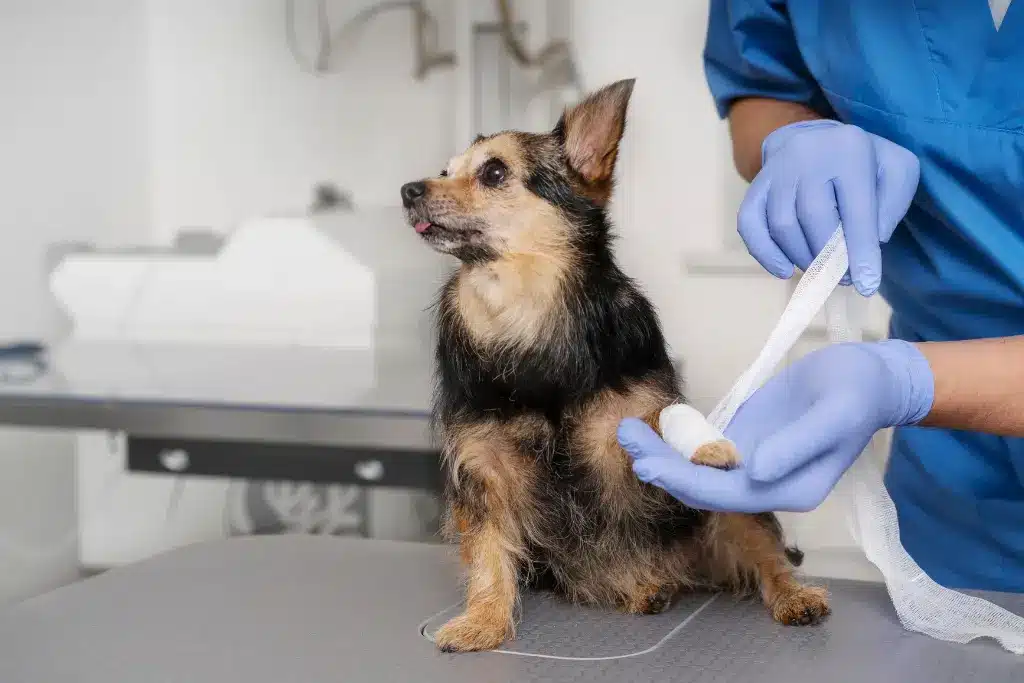
Within five minutes, our caregiver had assessed Riley’s symptoms, contacted our 24-hour vet partner, and gotten him into the car. Fifteen minutes later, he was being examined at a veterinary clinic. By the time the owner landed and turned on her phone, Riley was stable, and we’d already sent her a full update with photos and next steps.
He’d eaten something toxic from the garbage, likely food wrapping with grease residue. Caught early, treated immediately, and fully recovered within 48 hours.
That’s what happens during a pet sitting medical emergency when you have trained caregivers, clear protocols, and immediate access to veterinary care. No panic. No delays. Just a calm, professional response.
About 50% of dogs experience some level of anxiety, and anxious dogs are more prone to stress-related medical issues. Research shows that early detection and quick action reduce complications by 30% to 50%. In-home care makes that possible because we’re there, watching for changes, ready to act.
See how Loving Paws’ trained sitters keep your pets safe, anytime.
How a Pet Sitting Medical Emergency Unfolds
Medical emergencies don’t announce themselves. They show up as subtle changes that escalate quickly if you’re not paying attention.
We’ve handled everything from sudden vomiting and seizures to allergic reactions, heatstroke, and injuries from falls or fights with other animals. Every situation is different, but the response framework is the same.
First, recognize the signs. Laboured breathing. Excessive drooling. Pale gums. Lethargy. Bleeding that won’t stop. Repeated vomiting or diarrhea. Refusal to eat or drink for more than 12 hours. Sudden collapse or disorientation.
These aren’t “wait and see” situations. They’re “act now” situations.
Second, triage. Our caregivers are trained to assess severity quickly. Is the pet’s airway open? Are they breathing normally? Is there active bleeding? Are they conscious and responsive?
If it’s life-threatening, difficulty breathing, major bleeding, seizures, or suspected poisoning, we go straight to the vet. If it’s urgent but stable, vomiting without other symptoms, minor injury, or sudden lethargy, we call the vet first and follow their guidance.
Third, communicate. We contact the owner immediately. Text, call, app notification, whatever method works fastest. We don’t wait until the situation is resolved. We update in real time so owners know what’s happening, even if they can’t be there.
This is where in-home care has a massive advantage over boarding. In a kennel, your pet is one of many. Staff might not notice subtle changes until symptoms are severe. By the time they do, hours have passed.
In-home sitters see your pet multiple times a day in their own environment. We know their normal behaviour. We notice when something’s off, before it becomes critical.
Real Hamilton Case Study
Riley’s story is one example, but here’s another that shows how fast things can escalate.
We were caring for a senior Labrador in Hamilton’s Westdale neighbourhood. The dog had a history of digestive issues but was generally stable. During an evening visit, our caregiver noticed he was pacing, unable to settle, and his abdomen looked distended.
She recognized the signs of bloat, a life-threatening condition where the stomach twists and cuts off blood flow. It’s most common in large, deep-chested breeds like Labs, and it can kill within hours.
She didn’t hesitate. She called the owner, loaded the dog into her car, and drove straight to the nearest 24-hour emergency clinic. The vet confirmed bloat and performed emergency surgery. The dog survived because we acted within 30 minutes of symptom onset.
If that dog had been in a boarding facility, would staff have noticed the subtle behavioural changes that early? Would they have recognized bloat in time? Maybe. But in-home care gave us a critical advantage: one-on-one attention and immediate response capability.
Hamilton has excellent 24-hour veterinary access, clinics in the east mountain area, downtown, and near McMaster University. We’ve built relationships with these clinics over the years. They know us. They trust our assessments. And they prioritize our emergency calls because they know we don’t overreact.
About 80% of pet emergencies stabilize with quick action and proper veterinary care. The difference between a full recovery and a tragic outcome often comes down to the first 30 minutes.
Learn how our sitters provide calm, expert care during emergencies.
Key Protocols That Keep Your Pet Safe
Medical emergencies are stressful. But stress doesn’t help your pet. Calm, systematic response does.
We’ve developed protocols that guide our caregivers through every step of an emergency. They’re not winging it. They’re following a framework that’s been tested and refined over nearly 20 years.
Decision-making authority: Before you leave, we ask you to authorize emergency veterinary care up to a certain dollar amount. This means that if something happens and you’re unreachable, we can make immediate decisions without waiting for approval. Minutes matter in emergencies, and pre-authorization removes the biggest delay.
Owner communication: We use multiple channels, text, phone, and app notifications. We send updates at every stage: initial symptoms, vet consultation, diagnosis, treatment plan, and recovery progress. You’re never left wondering what’s happening.
Insurance coverage: Every Loving Paws caregiver is bonded and insured. If an emergency happens during our care, our insurance covers liability and helps mitigate costs. This isn’t standard with app-based sitters or unlicensed caregivers.
Integration with medical sitting: We already provide medical and post-op care for pets recovering from surgery or managing chronic conditions. That experience translates directly to emergency response. We know how to monitor vital signs, recognize complications, and communicate with veterinary teams.
Seasonal & Local Considerations
Emergencies don’t happen in a vacuum. They’re influenced by climate, geography, and local risks.
In Ottawa, winter brings hypothermia risks, especially for small, senior, or short-haired dogs. If a pet escapes during a winter visit or a building loses heat, we know how to warm them safely and recognize signs of cold-related distress. We also keep emergency blankets and carriers accessible in case evacuation is needed.
Ottawa apartments and condos present unique challenges. Limited outdoor access means pets spend more time indoors, and medical issues can develop without the usual exercise-related warning signs. We adjust our monitoring protocols accordingly.
In Hamilton, humidity and heat are the bigger risks. Dogs overheat faster, especially high-energy breeds who’ve been running trails at Dundas Valley or Bayfront Park. Heatstroke is a genuine emergency, confusion, excessive panting, drooling, and collapse. We know the signs, and we know that immediate cooling and vet transport are critical.
Hamilton also has more trail-related injuries. Dogs slip on wet rocks, cut paws on sharp terrain, or get into altercations with wildlife. We carry basic first aid supplies and know when an injury requires vet attention versus home care.
In Mississauga, we deal with a lot of travel-related emergencies. Owners are delayed at Pearson Airport, stuck in traffic, or out of the country entirely. That’s why pre-authorization and clear communication protocols are essential. We can’t wait for you to land; we need to act immediately and update you as soon as possible.
We also coordinate closely with veterinary clinics near Port Credit and along Credit River trails, where many of our clients’ dogs exercise regularly.
Book Loving Paws in-home care for immediate emergency readiness.
Common Myths About In-Home Pet Emergency Care
When people think about emergencies, they often assume boarding facilities or vet clinics are safer than in-home care. That’s not what we’ve seen.
Myth: Pet sitters panic during emergencies and don’t know what to do.
Fact: Maybe some do. We don’t. Every Loving Paws caregiver completes emergency response training. We practice triage, we know when to call a vet versus rushing to the clinic, and we stay calm under pressure. Panic doesn’t help your pet; protocol does.
Myth: Boarding is safer because there are more people around.
Fact: More people don’t mean better monitoring. Boarding staff manage dozens of animals at once. Subtle changes in behaviour or appetite often go unnoticed until symptoms are severe. In-home sitters focus on your pet alone, which means we catch problems earlier, often 30% to 50% earlier than boarding environments.
Myth: If the owner is unreachable, nothing can be done.
Fact: Pre-authorized emergency decisions solve this problem. When you authorize care up to a certain amount before you leave, we can act immediately without waiting for your approval. We will still update you as soon as possible, but we don’t delay treatment.
Myth: Most pet emergencies are fatal no matter what you do.
Fact: About 80% of pet emergencies have positive outcomes when treated quickly. Bloat, poisoning, heatstroke, seizures, these are serious, but they’re survivable with fast veterinary intervention. Delay is what turns emergencies into tragedies.
Myth: Emergency vet care is too expensive, so it’s better to wait and see.
Fact: Waiting makes things worse and more expensive. A $200 to $500 emergency visit is a lot cheaper than intensive care, surgery, or long-term treatment for complications that developed because of delays. And honestly, most pet owners would rather pay upfront than live with regret.
Professional sitters prevent costly mistakes and reduce stress for you and your pet.
How Loving Paws Handles Emergencies Across Ontario
Emergency response looks different depending on where you live. We’ve adapted our protocols to reflect the specific risks and resources in each city we serve.
Ottawa – Winter & Apartment Emergencies
Ottawa’s biggest emergency risks are cold-related. Hypothermia, frostbite, and injuries from ice are all real threats during winter months.
We’ve handled situations where heating systems failed during a visit, where pets escaped into subzero temperatures, and where senior dogs collapsed during winter walks near Bruce Pit.
Our Ottawa caregivers carry emergency warming supplies and know how to recognize and treat cold-related distress. We also work closely with veterinary clinics in the ByWard Market area and across the city to ensure fast access regardless of where the emergency happens.
In condos and apartments, evacuation readiness is critical. If there’s a fire, gas leak, or structural emergency, we need to get your pet out quickly. Carriers are stored accessibly, and we practice loading pets calmly under pressure.
Hamilton – Trails & High-Energy Breeds
Hamilton’s humidity and trail culture create different risks.
We see more heatstroke cases in Hamilton than anywhere else, dogs who’ve been running at Dundas Valley or playing at Bayfront Park and overheat before their owners realize it’s a problem.
We monitor dogs closely during and after exercise, especially in summer. If we see excessive panting, drooling, disorientation, or refusal to move, we act immediately. Heatstroke can progress to organ failure within an hour, so there’s no time to wait.
We’ve also handled trail injuries, cuts from sharp rocks, sprains from slips, snake bites, and porcupine quills. We carry first aid kits and know which injuries need immediate vet attention versus home care.
Hamilton’s 24-hour veterinary access is excellent. We’ve built relationships with clinics across the city and know which ones handle specific emergencies best. For toxin ingestion or trauma, we go to the east mountain emergency clinic. For orthopedic injuries, we contact clinics with surgical capability.
Mississauga – Travel & Airport Proximity
Mississauga clients travel frequently. Business trips, family vacations, international flights, these all create gaps where emergencies can happen while owners are out of reach.
That’s why pre-authorization and clear communication are so important. We need to know ahead of time: What’s your spending limit for emergency care? Who’s your backup contact if you’re unreachable? Which vet do you prefer?
We also monitor pets more closely when owners are traveling. Anxiety and stress can trigger medical issues, appetite loss, vomiting, diarrhea, behavioural changes. Catching these early prevents escalation.
For clients near Port Credit and Credit River, we coordinate with local veterinary clinics and know the fastest routes from your home to emergency care. In Mississauga, traffic can delay transport, so we plan routes in advance and adjust based on time of day.
Unlike apps, our sitters have protocols and vet networks ready 24/7.
Emergency Preparedness Checklist for Pet Owners
You can’t prevent every emergency, but you can prepare for them. Here’s what we walk clients through before they leave.
6 Steps to Ensure Your Pet’s Safety
Step 1: Pre-authorize emergency decisions.
Decide how much you’re comfortable spending on emergency care without prior approval. $500? $1,000? $2,000? Give us that number in writing. It allows us to act immediately without waiting for you to respond.
Step 2: Provide emergency contact information and vet access.
Give us your primary vet’s contact info, your preferred 24-hour emergency clinic, and at least two backup contacts who can make decisions if you’re unreachable. Make sure those people know they’re listed as backups.
Step 3: Ensure carrier and transport readiness.
Carriers should be accessible, not buried in storage. We need to be able to grab them and load your pet quickly if transport is needed. If your pet is large and can’t be carried, we need a plan for getting them into a vehicle safely.
Step 4: Monitor symptoms and report changes via app.
If your pet has ongoing medical issues, tell us what’s normal and what’s not. We track appetite, energy levels, bathroom habits, and behaviour. If something changes, we report it immediately through our e-diary system so you’re always updated.
Step 5: Post-emergency calming and positive reinforcement.
After a vet visit or emergency, pets are often stressed and anxious. We use positive reinforcement and calm behaviour to help them settle. We don’t leave them alone immediately after a traumatic experience, we stay longer to ensure they’re stable and comfortable.
Step 6: Seasonal prep, winter warmth, smoke alerts, traveler kits.
Prepare for seasonal risks. In Ottawa winters, make sure heating is reliable and carriers are ready. In Hamilton summers, ensure water is always available and shade is accessible. For Mississauga travelers, leave emergency kits with medications, vet records, and contact info clearly labeled.
Prepare your pet for any emergency with Loving Paws in-home care.
FAQs About Pet Sitting Emergencies
What counts as a pet sitting emergency?
Any situation that threatens your pet’s health or safety. This includes difficulty breathing, uncontrolled bleeding, seizures, suspected poisoning, heatstroke, bloat, collapse, severe vomiting or diarrhea, or injuries from falls or fights. If we’re unsure, we err on the side of caution and contact a vet.
How quickly will my sitter contact a vet?
Immediately. For life-threatening situations, we’re calling the vet or driving to the clinic within minutes. For urgent but stable situations, we consult with a vet by phone first and follow their guidance. Either way, you’re updated within five minutes of us recognizing the problem.
Can in-home sitting reduce ER visits?
Yes. Early detection prevents minor issues from becoming emergencies. We catch appetite changes, lethargy, or unusual behaviour before they escalate. Studies show that in-home monitoring reduces emergency complications by 30% to 50% compared to boarding, where problems often go unnoticed until they’re severe.
Are emergencies covered by insurance?
Our liability insurance covers incidents that occur during our care. However, veterinary costs are the owner’s responsibility. That’s why we ask for pre-authorization, so you know the potential costs upfront, and we can act without delay. Many pet owners also carry pet insurance, which typically covers emergency vet visits.
What if I’m unreachable?
We use your pre-authorized spending limit to make decisions. We also contact your backup emergency contacts. If no one responds and the situation is life-threatening, we make the call that prioritizes your pet’s safety and update you as soon as you’re reachable.
How do seasonal risks affect my pet?
Ottawa winters bring cold-related risks like hypothermia and frostbite. Hamilton summers bring heatstroke and dehydration. Travel delays in Mississauga mean pets might go longer without check-ins than planned. We adjust monitoring and protocols based on season, location, and your pet’s specific vulnerabilities.
Is boarding safer than in-home for emergencies?
No. Boarding facilities manage many animals at once, which means individual monitoring is limited. Staff might not notice subtle changes until symptoms are severe. In-home care provides one-on-one attention, which means we catch problems earlier and respond faster.
Book a Loving Paws sitter for expert emergency care and peace of mind.
Why Choose Loving Paws & House Sitting for Emergencies
We’ve been doing this since 2005. We’ve cared for over 5,000 pets across Ottawa, Hamilton, and Mississauga. We’ve handled emergencies that ranged from minor scares to life-threatening crises.
And here’s what we’ve learned: preparation matters more than anything else.
Every Loving Paws caregiver is bonded, insured, and trained in emergency response protocols. We follow Pet Sitters International standards, but we’ve gone further, building partnerships with 24-hour veterinary clinics, developing decision-making frameworks, and practicing triage until it’s automatic.
We use the Ready-Key program for secure home access, so there’s no delay getting to your pet during an emergency. We send real-time updates through our e-diary system, so you’re never left wondering what’s happening.
We’re not an app. We’re not gig workers who show up without training or accountability. We’re a local Ontario team that’s been part of these communities for nearly 20 years.
When you compare us to Rover, Pawshake, or boarding facilities, the difference is clear. We’re faster, more attentive, and better prepared. We treat emergencies like they matter, because they do.
Riley, the Border Collie from the beginning of this article? He’s still one of our regular clients. His owner trusts us because we proved we could handle the worst-case scenario calmly and competently.
Your pet deserves that same level of care. Not just on easy days, but on the hard ones too.
Secure your pet’s safety, schedule a Loving Paws in-home emergency-ready session today.