Cats are masters of hiding how they feel. That’s not a character flaw, it’s instinct. In the wild, showing weakness attracts predators, so cats have evolved to mask discomfort until it’s significant. The problem is that the same instinct makes it incredibly easy to miss the early signs that something’s wrong.
Most pet owners don’t catch the subtle cues. Not because they don’t care, but because those cues are quiet. A slight change in appetite. A few extra hours of sleep. A preference for a different corner of the room. On their own, none of these seems alarming. Together, they can be telling you something important.
At Loving Paws & House Sitting, we’ve been caring for cats in Ottawa, Hamilton, and Mississauga since 2005. Our caregivers visit cats daily, sometimes twice daily, and that consistency is exactly what makes early detection possible. We notice the small things because we know your cat’s baseline.
Why In-Home Cat Sitting Makes a Real Difference
When your cat stays home, they stay in their environment. Their scent is everywhere. Their routines are intact. Their favourite window seat, their water bowl in the usual spot, the familiar sounds of the neighbourhood, all of it stays the same. That matters more than most people realize.
Boarding facilities, even good ones, introduce your cat to unfamiliar smells, sounds, and other animals. That stress response can mask or worsen health issues, and it can make it much harder for a caregiver to know what’s normal for your cat versus what’s a stress reaction.
In-home sitting removes that variable entirely.
Reducing Separation Anxiety in Cats
Cats can absolutely experience separation anxiety; it’s more common than most people think. Studies suggest roughly 13% of cats show measurable signs of separation-related distress, including hiding, excessive grooming, or changes in appetite.
When an owner leaves for a work trip or heads downtown to the ByWard Market for the weekend, even a confident cat can feel the shift. The house goes quiet. The routine breaks. For anxious cats, rescue cats, or cats bonded tightly to one person, this can show up as hiding under the bed, refusing to eat, or out-of-character behaviour.
Our caregivers maintain your cat’s routine, feeding times, play sessions, litter checks, and send you photo updates and e-diary notes so you can see how your cat is doing in real time. That consistency is one of the most effective tools we have for managing anxiety.
Ottawa Apartment Living and Winter Behaviour
Ottawa winters are long, and apartment-dwelling cats feel that. When the cold sets in and the world outside shrinks to a frosted window, cats who would normally watch birds at Bruce Pit trails or track movement on the street below have less stimulation. That shift toward inactivity can be mistaken for contentment, but sometimes it’s the beginning of something more.
Our Ottawa caregivers are tuned into that seasonal change. We bring enrichment into visits: interactive toys, environmental stimulation, and that social connection that keeps indoor cats from going flat.
Minimizing Boarding Stress
The comparison between boarding and in-home sitting is worth being direct about. Boarding can work well for social, adaptable dogs. For most cats, especially anxious cats, senior cats, or cats with medical needs, it adds a significant layer of stress that can complicate their health.
We hear from clients regularly who tried boarding once and watched their cat come home withdrawn, off their food, or with an upper respiratory infection picked up from a shared space. That’s not a criticism of the boarding staff; it’s just the reality of placing a naturally territorial animal in a foreign environment.
Recognizing the Subtle Signs of Illness
Here’s what experienced cat caregivers watch for that most owners miss until it becomes obvious. None of these signs, in isolation, automatically means something serious. But changes in pattern, especially when two or three of these show up together, deserve attention.
Behavioural Changes
Increased hiding is one of the most telling signs. A cat who normally greets you at the door and suddenly spends the day behind the dryer is communicating something. Research indicates that around 10% of cats exhibit hiding as a primary response to illness or pain.
Reduced activity is trickier to spot because cats sleep a lot anyway. But there’s a difference between resting comfortably and barely moving. Watch for a cat who’s not engaging with anything, no response to toys, treats, or their usual triggers.
Irritability or sudden aggression in an otherwise gentle cat is another one. If your cat hisses when you touch an area they’re normally fine with, that’s worth investigating.
In Hamilton’s multi-pet households, especially near the Dundas Valley area, where families often have large, active homes, it can be easy to attribute a quiet cat’s withdrawal to the general household noise. Sometimes it is. Sometimes it isn’t.
Physical and Appetite Signals
Changes in appetite are among the earliest indicators of illness. A cat who leaves more food than usual, or who stops showing up at meal time, is sending a signal. Cats who go more than 24 hours without eating can be at risk for hepatic lipidosis, a liver condition that develops faster in cats than in most other animals.
Watch for:
- Refusing food they normally love
- Eating noticeably less or much more than usual
- Weight loss (you may feel the spine or hips more clearly)
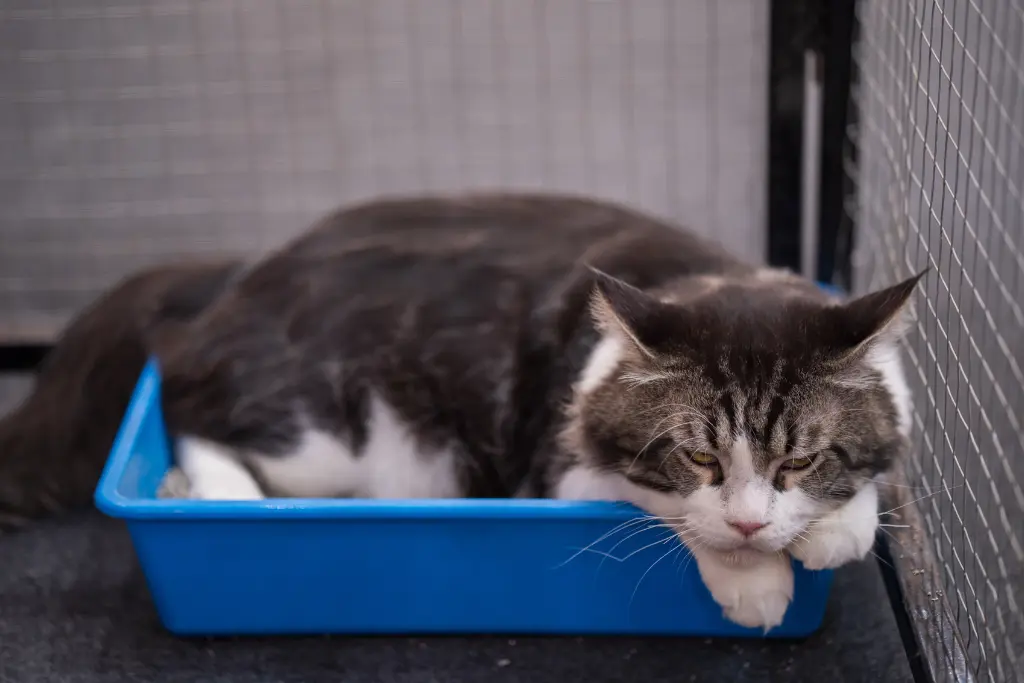
- Changes in litter box output, more, less, or different consistency
- Reduced grooming (dull or matted coat) or over-grooming (patchy areas)
- Lethargy that persists across multiple days
Our caregivers log these details during every visit. If something shifts, we flag it, either to the owner directly via message or, in consultation with you, we recommend a vet call.
Quick Reference: When to Call Your Vet
If your cat shows any combination of the following, call your veterinarian:
- Not eating for more than 24 hours
- Hiding plus appetite change together
- Visible pain or sensitivity to touch
- Laboured breathing or open-mouth breathing
- Sudden litter box avoidance
- Vomiting more than once or twice in a day
Want someone keeping a trained eye on your cat while you’re away?
Medical and Post-Op Indicators
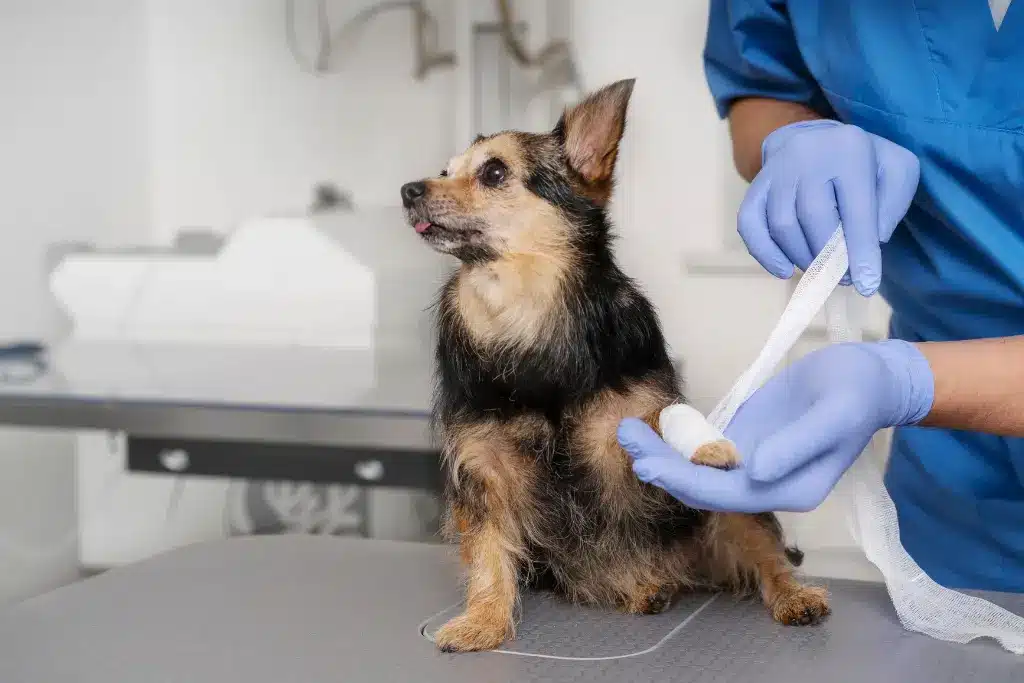
Cats recovering from surgery or managing chronic conditions need a different level of attention. Post-op complications in cats often present subtly, such as a slight change in breathing, reluctance to move, or signs of infection at an incision site.
Medication adherence is another challenge. Getting a cat to take medication consistently is something our caregivers handle regularly, including pill administration and liquid medications. If your cat has a condition that requires timed doses, an in-home caregiver is far more reliable than a boarding facility for that level of individualized attention.
We also offer virtual veterinary consultations as part of our expanded services, so if a caregiver observes something during a visit and you’re not sure whether to go to the clinic, we can connect you with professional guidance remotely.
Seasonal and Environmental Considerations Across Ontario
Ontario’s climate affects cat behaviour in ways that are easy to overlook. What reads as illness might be seasonal. What reads as seasonal might actually be an illness. Knowing the difference comes with observation over time.
Ottawa: Indoor Cats and Winter Behaviour
Ottawa’s winters keep cats indoors for months. The lack of outdoor stimulation, the dry, heated air, and the reduced activity can all affect appetite, grooming habits, and mood. We recommend window perches, puzzle feeders, and scheduled daily visits to break the monotony, especially for solo indoor cats whose owners commute or travel regularly.
Our Ottawa cat-sitting clients near the ByWard Market and surrounding neighbourhoods often schedule daily drop-in visits during the winter months specifically for this reason. Not because they think their cat is sick, but because they know their cat needs engagement.
Hamilton: Humidity, Multi-Pet Homes, and Active Breeds
Hamilton’s seasons bring a different challenge: humidity in summer and damp cold in winter. Hydration monitoring matters more in humid conditions, particularly for cats prone to urinary issues.
In multi-pet Hamilton homes near Bayfront Park or the Dundas Valley escarpment, cats can be easily overshadowed by more demanding animals. A quieter cat in a busy household can go days without anyone noticing they’ve eaten less or started hiding. Our caregivers give every pet individual attention during visits, not just the loudest one in the room.
Mississauga: Travel Stress and Airport-Adjacent Lifestyle
Mississauga families who travel frequently through Toronto Pearson Airport know the routine: pack, arrange care, and hope the pets do okay. For cats, repeated owner absences, even well-managed ones, can create cumulative stress that shows up in appetite changes or subtle withdrawal.
We serve Mississauga families near Port Credit and the Credit River trail areas with consistent, schedule-respecting in-home visits. Your cat doesn’t need to adjust to a new environment. They just need someone reliable to show up.
Trust and Process: How Loving Paws Keeps Cats Healthy
Caregiver Screening and Certification
Every Loving Paws caregiver is background-checked, insured, and bonded. We adhere to Pet Sitters International standards, and our team is trained specifically for medical and post-operative care, not just the basics. When we’re monitoring your cat, we’re trained to notice the things that matter.
Ready-Key and Communication Standards
Our Ready-Key program gives caregivers secure, consistent access to your home without the stress of coordinating key handoffs. Combined with 24/7 online booking and our e-diary update system, you’re always in the loop, even when you’re three time zones away.
We message you after every visit. Not a one-line “everything’s fine,” but actual observations: what your cat ate, how they behaved, whether they seemed more or less active than usual. That ongoing communication is how we catch changes early.
What Our Clients Say
“Amy’s team has been caring for our two cats in Ottawa for years. They always notice when something seems off before we do. They flagged a change in our older cat’s eating habits that turned out to be dental pain. We would have missed it entirely.”
“We travel for work regularly from Mississauga. Having Loving Paws meant we stopped worrying. They send photos, they notice things, and our cats are always calm when we get home.”
“Our rescue cat has severe anxiety. Other options just didn’t work. The in-home visits with Loving Paws were the only approach that didn’t send him into a spiral,” Hamilton client
With a 4.9/5 average rating from over 75 reviews, our clients trust us with their most anxious, most medically complex, and most deeply loved pets.
Myth-Busting In-Home Cat Sitting
Myth 1: “In-home sitting isn’t as safe as a facility.”
Our caregivers are insured, bonded, and trained. Your cat stays in their own space, which is significantly safer for their health and stress levels than an unfamiliar facility.
Myth 2: “It’s more expensive than boarding.”
For a single cat, in-home sitting is often comparable in cost, or less, than a reputable boarding facility, when you factor in transport, boarding fees, and the reality that your cat is far less likely to come home stressed or sick.
How We Compare to App-Based Platforms
Rover and Pawshake can connect you with individuals who care about animals. We don’t doubt that. But those platforms can’t guarantee training levels, insurance coverage, continuity of caregiver, or medical knowledge. You may book one person and get another.
At Loving Paws, you know who’s coming. You know their background. And you know they’re trained for more than just feeding and a quick cuddle.
Frequently Asked Questions
What are the subtle signs my cat is sick?
Hiding, reduced appetite, changes in litter box habits, decreased grooming, lethargy, and sudden behaviour changes are the most common early indicators. Any combination of these warrants a closer look.
How does in-home sitting reduce anxiety in cats?
It keeps your cat in their own environment, maintains their routine, and provides consistent human interaction without the stress of transport or unfamiliar surroundings.
Can Loving Paws caregivers administer medications?
Yes. Our caregivers are trained to administer both oral and liquid medications. Medical care is a core part of our service offering.
Are Loving Paws services insured and bonded?
Yes. All caregivers are fully insured and bonded, and we adhere to Pet Sitters International standards.
How do Ontario’s seasons affect my cat’s health?
Ottawa winters can increase indoor lethargy and reduce stimulation. Hamilton’s humidity affects hydration. Mississauga’s travel-heavy households create stress from repeated absences. We adapt our care to these realities.
Why choose Loving Paws over Rover or Pawshake?
We offer consistent, vetted, medically trained caregivers with a transparent process, the Ready-Key access program, e-diary updates, and nearly 20 years of experience in Ontario homes.
Can you manage multiple pets at once?
Yes. We regularly serve multi-pet households across Ottawa, Hamilton, and Mississauga, giving each animal individual attention during every visit.
Are virtual vet consultations available?
Yes. We offer virtual veterinary consultation support as part of our expanded medical services.
Conclusion – Why Loving Paws & House Sitting
If your cat could tell you something was wrong, they would. But they can’t, not directly. What they do instead is show you, quietly, through the small behavioural shifts that are easy to miss when life is busy.
Having a trained, consistent caregiver in your home isn’t just about feeding and litter. It’s about having someone who knows your cat well enough to notice when something’s different. Someone who documents it. Someone who tells you.
Since 2005, Loving Paws & House Sitting has been that set of eyes for thousands of Ontario families, in Ottawa apartments, Hamilton family homes, and Mississauga neighbourhoods near Pearson. We’ve caught early illness signs. We’ve managed post-op recovery. We’ve calmed rescue cats who wouldn’t let strangers touch them. And we’ve given owners the ability to travel, work, and live their lives without that nagging worry in the back of their mind.
Your cat deserves care from someone who genuinely knows them. So do you.