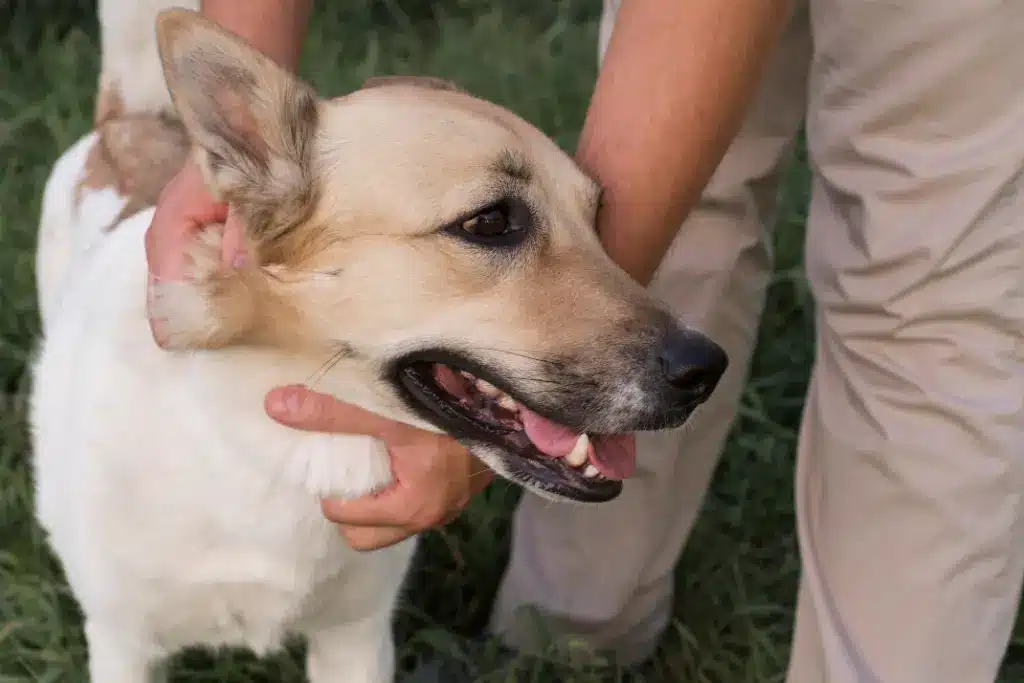
Spring arrives, and Ottawa wakes up. The trails around Bruce Pit fill with dogs. Families head out to Port Credit and the Credit River. Hikers return to Dundas Valley. It’s the season everyone, pets included, has been waiting for.
But spring in Ontario also means ticks. And every year, we see pet owners caught off guard by just how early and how broadly tick season starts here.
At Loving Paws & House Sitting, we’ve been walking dogs and caring for pets across Ottawa, Hamilton, and Mississauga since 2005. Tick checks after every walk aren’t an afterthought for us; they’re part of our standard protocol. Here’s what we do, why we do it, and what every Ontario pet owner should know before the season gets going.
Why In-Home Tick Prevention Matters
Boarding facilities do their best, but they’re managing many animals at once. A thorough, calm post-walk tick check on your specific dog, the one with the thick double coat who hates being touched near the ears, takes time and familiarity. That’s hard to replicate in a group setting.
When we’re in your home, we know your pet. We know where they like to roll, which trails you’ve been on, and how they react to being handled. That context makes every check more effective.
Reducing Tick Exposure Through Daily Checks
The risk isn’t just about finding a tick; it’s about finding it in time. The blacklegged tick (Ixodes scapularis), the species responsible for Lyme disease transmission in Ontario, typically needs to be attached for 24 to 36 hours before it can transmit the bacteria. That window is everything.
Daily in-home visits mean daily checks. If a tick attaches itself during a morning walk, we find it that afternoon. That’s the difference between a quick removal and a veterinary concern.
Our 75+ five-star reviews mention it regularly, owners who travel or work long hours tell us they feel genuinely at ease knowing we’re not just filling the water bowl, but actively monitoring their pets for health risks.
Ottawa and Gatineau Park Risks
Ottawa pet owners are dealing with one of the highest-risk tick environments in the country. The Ottawa region reports approximately 27 Lyme disease cases per 100,000 residents annually, and that number has been climbing, up roughly 27% year over year as blacklegged tick populations expand northward.
Gatineau Park, just across the river, is beautiful and well-used, and heavily wooded. Bruce Pit is a favourite off-leash destination but backs onto grassed and brushy terrain where ticks are active from late March onward. Any dog spending time in these areas needs a check after every outing, without exception.
Managing Risk Across Hamilton and Mississauga
Hamilton’s escarpment trails are spectacular. Dundas Valley in particular draws dogs and their owners year-round, but the damp undergrowth and leaf litter along those trails are ideal tick habitat. We pay close attention after any escarpment walk, ears, armpits, groin, and between the toes. Those are the spots ticks prefer.
In Mississauga, the green spaces along Port Credit and the Credit River trail corridor see heavy spring foot traffic. For families returning from travel through Pearson Airport who’ve had a pet sitter caring for their dog all week, we make sure the final visit includes a full once-over before the owners walk back through the door.
Recognizing and Removing Ticks Safely
Finding a tick on your pet feels alarming the first time. I get it, but it’s manageable, and knowing the right technique matters more than speed.
Behavioural and Physical Indicators
Sometimes the pet tells you before you find the tick. Watch for:
- Excessive licking or scratching at one spot
- Redness, swelling, or a small raised bump
- Lethargy or low-grade fever in the days following a trail walk
- In more advanced cases, stiffness or reluctance to move
Ontario reported over 3,000 confirmed Lyme disease cases in 2025. That’s not a number to brush off, and it reinforces why we treat tick checks as non-negotiable after every single walk in risk-prone areas.
Our caregivers are trained to recognize early signs. If we spot something concerning, we document it and contact you immediately.
Medical and Post-Exposure Protocols
Here’s the technique we use and teach to every client:
Use fine-tipped tweezers. Get as close to the skin surface as possible and pull upward with steady, even pressure. Don’t twist or jerk, that can cause the mouthparts to break off and remain in the skin. Don’t squeeze the tick’s body.
After removal, clean the bite area with rubbing alcohol or soap and water.
Do not use petroleum jelly, nail polish, or heat. Those methods don’t work and can increase transmission risk.
Once the tick is removed, we note the date and location on the body. If the tick was attached for any meaningful length of time, we recommend contacting your veterinarian, especially if your pet isn’t on a preventive like NexGard or a similar oral or topical treatment.
We also offer virtual veterinary consultations through Loving Paws, which means if you’re away and we find a tick on your dog, you don’t have to make a judgment call alone.
Seasonal and Environmental Considerations Across Ontario
Tick season in Ontario doesn’t wait for May. We typically start seeing activity in late March when temperatures climb above 4°C, which in Ottawa, Hamilton, and Mississauga can happen on and off for weeks before spring properly settles in.
Ottawa: Condo Pets and Early-Season Risk
Urban Ottawa dogs often surprise their owners; a walk through a manicured neighbourhood park near the ByWard Market can still involve enough grass and groundcover to expose a dog to ticks. Bruce Pit off-leash park, which so many Ottawa dogs visit regularly, is particularly active in the shoulder seasons.
For condo-dwelling dogs with limited outdoor exposure, the risk is lower but not zero. We remind Ottawa clients that it only takes one good roll in the grass to bring a tick home.
Hamilton: Escarpment Trails and Humidity
Hamilton’s geography means a long, damp spring along the escarpment. Dundas Valley trails and the green corridors near Bayfront Park stay moist well into spring, which keeps ticks active and mobile longer than in drier climates.
We pay particular attention to multi-pet Hamilton households, when two or three dogs come in from the same trail walk, that’s two or three thorough checks, done individually. No shortcuts.
Mississauga: Travel Schedules and Greenspace Exposure
Mississauga families are often in motion, weekend travel, work trips through Pearson, school sports, and activities. It’s easy for tick checks to fall through the cracks when the household is busy.
That’s exactly where we come in. The Credit River trail corridor and Port Credit’s waterfront green areas are popular dog-walking routes all spring. We’re there for the walk and the check afterward, so nothing gets missed.
Trust and Process: How Loving Paws Protects Your Pets
Caregiver Expertise and Certification
Every Loving Paws caregiver is background-checked, insured, and bonded. We train to Pet Sitters International standards, which include protocols for tick detection, safe removal, and escalation to veterinary care when needed. This isn’t something we improvise; it’s part of how we operate.
Ready-Key and Transparent Communication
Our Ready-Key program gives caregivers secure, consistent access to your home. After every walk, you hear from us. Not a vague “all good”, an actual update with notes on the route, the check, and how your pet’s doing.
If we find a tick, you’ll know within minutes. If something warrants a vet call, we’ll tell you why and help you decide next steps. Our 24/7 online booking system makes it easy to schedule visits around your travel or work schedule without back-and-forth.
What Our Clients Say
“We have two large dogs and live near Dundas Valley. The Loving Paws team checks them top to bottom after every trail walk. They found a tick I would have missed entirely, and dealt with it the right way,” Hamilton client
“I travel for work through Pearson at least twice a month. Knowing our dog is being walked and properly checked for ticks each time gives me real peace of mind,” Mississauga client
“Spring is stressful with a dog who loves Bruce Pit. Having a caregiver who actually does a proper post-walk check, and sends me a note about it, changed everything.”, Ottawa client
With a 4.9/5 average rating across 75+ reviews, we’re trusted by Ontario pet owners who need more than a quick drop-in.
Myth-Busting Tick Prevention
Myth 1: “Ticks are only in forests and rural areas.”
Not true. Urban parks, residential backyards, and manicured green spaces all harbour ticks in Ontario. Any ground-level vegetation is a potential tick habitat in spring.
Myth 2: “If I don’t see a tick, there isn’t one.”
Nymphal ticks, the immature stage most responsible for Lyme transmission, are roughly the size of a poppy seed. They are genuinely difficult to spot without a deliberate, thorough check.
Myth 3: “An app-based walker will do a tick check.”
Some will. Many won’t. App-based platforms like Rover and Pawshake connect you with individuals, but they can’t guarantee training, consistency, or the kind of attentive care that comes with a professional, medically-aware caregiver who knows your pet and shows up every time.
How We Compare to Gig Platforms
The difference comes down to accountability. With Loving Paws, you know your caregiver. You know they’re insured. You know they’ve been trained in tick detection and removal. If something happens, there’s a clear process and a real person responsible.
With app platforms, that assurance varies. For routine walks in low-risk seasons, that might feel acceptable. In tick season, with Lyme disease risk climbing across Ontario, it’s worth knowing exactly who’s checking your dog.
The Real Benefits of In-Home Prevention
- Consistent, trained eyes after every walk
- Early detection within the critical 24–36 hour window
- Safe removal using proper technique
- Documented observations you can share with your vet
- Virtual vet consultation available if concerns arise
- Peace of mind, for you and for your pet
Frequently Asked Questions
How do I know if my pet has a tick?
Look for small dark bumps on the skin, especially around the head, neck, ears, armpits, groin, and between the toes. Your pet may also scratch or lick persistently at one spot. A thorough hands-on check after every trail walk is the most reliable method.
What is the proper tick removal technique?
Use fine-tipped tweezers, grip as close to the skin as possible, and pull upward with slow, steady pressure. Clean the area afterward. Never squeeze the tick’s body or use petroleum jelly, nail polish, or heat.
Are Lyme vaccines recommended for dogs in Ontario?
There is a Lyme vaccine available for dogs, and it’s worth discussing with your veterinarian, especially if your dog spends time on wooded or grassy trails in eastern Ontario. Vaccination is one layer of protection, not a replacement for preventives or post-walk checks.
Do Loving Paws caregivers apply tick preventives during visits?
We can apply topical preventives as part of your care instructions. We also work with your vet’s prescribed oral preventives like NexGard. Let us know what your pet is on, and we’ll make sure it’s administered on schedule.
How does seasonality affect tick risk in Ontario?
Ticks become active when temperatures consistently reach 4°C or above, which in Ontario means late March through early November in some years. The peak risk period is typically April through June, and again in the fall.
Why choose Loving Paws over Rover or Pawshake?
We offer trained, vetted, insured caregivers with consistent tick-check protocols, e-diary documentation, and direct access to virtual veterinary consultation. App-based platforms can’t guarantee that level of training or accountability.
Can you manage tick checks for multiple pets at once?
Yes. We regularly care for multi-pet households in Hamilton, Ottawa, and Mississauga. Every pet gets an individual check; we don’t treat it as a group exercise.
Is a virtual vet consultation available after tick exposure?
Yes. If we find a tick during a visit and you’re away or uncertain about next steps, we can connect you with a virtual veterinary consultation to help you decide whether an in-clinic visit is needed.
Conclusion. Why Loving Paws & House Sitting
Ticks aren’t going away, and in Ontario, their range and numbers are growing. That’s not meant to alarm; it’s meant to inform. The good news is that proper prevention, daily checks, and prompt removal make Lyme disease in pets largely avoidable.
We’ve been doing this in Ottawa, Hamilton, and Mississauga since 2005. We’ve walked dogs through every spring season, checked them on the way back in, and caught things that mattered. We’ve helped pet owners navigate that call to the vet, managed medication schedules during recovery, and given families the ability to travel knowing their pets are genuinely looked after.
Our Ready-Key program, our trained caregivers, our e-diary updates, and our virtual vet support aren’t extras; they’re how we operate. Because your pet deserves that level of care, and so do you.
Spring is here. The trails are open. Let’s make sure your dog comes home safe from every single one