Most people who bring home a rabbit expect something calm, quiet, and relatively easy to manage. A small pet. A low-demand companion. What they discover, often within the first few months, is that rabbits are complex, sensitive animals whose health can deteriorate quickly when their needs aren’t met precisely.
We’ve been providing in-home small pet care across Ottawa, Hamilton, and Mississauga since 2005. Rabbits are among the pets we take most seriously, not because they’re difficult to love, but because they’re easy to underestimate. And that underestimation can have real consequences.
If you have a rabbit, or you’re thinking about getting one, here’s what you genuinely need to know.
The Critical Role of In-Home Rabbit Care
Rabbits are prey animals. In the wild, showing vulnerability invites predation, so they’ve evolved to hide illness and discomfort until it becomes severe. That instinct doesn’t disappear in a domestic setting. It means a rabbit who looks fine in the morning can be in serious distress by evening, and an owner without trained eyes might not catch the shift.
Boarding adds another layer of risk. A facility managing dogs, cats, and small animals simultaneously is not equipped to give a rabbit the quiet, consistent, low-stress environment they need. Changes in temperature, proximity to predator species, unfamiliar handling, and diet inconsistencies are all genuine health risks for rabbits in a boarding context.
In-home care removes those variables. Your rabbit stays in their space, with their routine intact, and someone who knows what to look for checks on them daily.
Reducing GI Stasis and Diet-Related Risks
Gastrointestinal stasis is the condition every rabbit owner needs to understand. It occurs when the digestive system slows or stops, and in rabbits, that’s a medical emergency. Unlike humans or dogs, a rabbit’s hindgut fermentation process requires near-constant movement. When it stalls, gas builds, pain sets in, and without prompt intervention, the outcome can be fatal.
GI stasis affects an estimated 20 to 30% of domestic rabbits at some point in their lives. The triggers include inadequate fibre intake, stress, dehydration, and sudden dietary changes. The earliest signs, reduced appetite, fewer or smaller droppings, and a rabbit sitting hunched and still, are subtle enough to miss if you’re not watching carefully.
Our caregivers check hay levels, monitor food intake, observe litter box output, and note any changes in posture or movement during every single visit. That attentiveness is what makes early detection possible.
Local Ottawa Expertise
Ottawa rabbit owners have access to some excellent exotic veterinary care; the Alta Vista Animal Hospital and other Ottawa-area exotic vets are experienced with rabbit GI concerns and regularly work with our clients. We maintain awareness of which local vets can see rabbits on short notice, because when stasis is suspected, time matters.
Ottawa winters also create a specific consideration for rabbit owners: hay storage. Hay kept in damp or cold conditions can develop mold, which is dangerous for rabbits. Condo-dwelling owners near the ByWard Market with limited storage space sometimes inadvertently compromise hay quality. We check hay conditions during every visit and flag concerns before they become a problem.
Hamilton Humidity and Mississauga Travel Considerations
Hamilton’s summer humidity is a genuine risk factor for rabbit owners. Hay absorbs moisture easily, and in a humid Hamilton home near Dundas Valley or Bayfront Park, hay can degrade faster than owners realize. Mouldy or dusty hay contributes directly to respiratory issues and reduced intake, both of which can precede GI stasis.
In Mississauga, the challenge is usually the owner’s absence. Families with regular travel schedules through Pearson Airport need daily in-home rabbit checks, not every other day, not twice a week. Rabbits on inadequate fiber for even 24 hours can begin showing early stasis signs. Our caregivers along the Port Credit and Credit River areas maintain daily visit schedules specifically because rabbits don’t tolerate gaps the way some other pets can.
Key Rabbit Care Essentials for Every Owner
Understanding what your rabbit actually needs day-to-day is the foundation of keeping them healthy. These aren’t optional extras, they’re the baseline.
Hay Quality and Diet Management
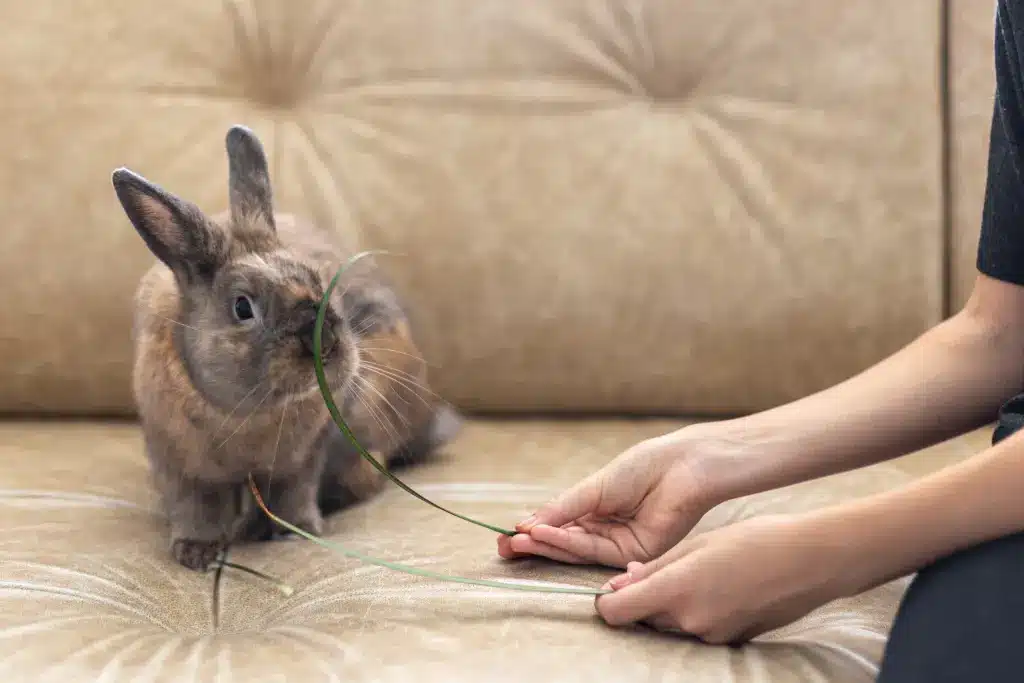
Hay should make up approximately 80% of an adult rabbit’s diet. Not pellets, not fresh vegetables, hay. Specifically, Timothy grass hay or other grass hays for adult rabbits. Alfalfa hay is appropriate for young rabbits under seven months because of its higher calcium and protein content, but it’s too rich for adults and can cause bladder sludge and weight gain over time.
The hay needs to be fresh, dry, fragrant, and available in unlimited quantities at all times. A rabbit who runs out of hay for a few hours isn’t just hungry; their gut motility is at risk.
Low-quality hay is one of the most common preventable causes of GI stasis we see. Our caregivers visually assess hay quality during visits, ensure the supply is adequate, and let owners know when stocks are running low or when quality seems off. Ottawa exotic vets consistently reinforce this: fibre is non-negotiable.
Fresh water, a measured portion of leafy greens, and limited pellets round out the diet. Any sudden change to any of these, a new vegetable, a different pellet brand, or a disruption in the feeding schedule, can trigger digestive upset. We maintain whatever dietary protocol your rabbit’s vet has established, without improvisation.
Litter Training and Enrichment
Rabbits are naturally inclined toward litter training and do well with it in domestic settings. A consistent litter box setup, hay at one end, paper-based litter in the box, supports both bathroom habits and fibre intake simultaneously, since rabbits tend to eat while using their litter area.
Beyond diet, rabbits need daily exercise and mental stimulation. The “binky”, that spontaneous mid-air twist jump rabbits do when they’re content, is one of the clearest signs of a rabbit who’s getting enough movement and enrichment. If your rabbit hasn’t done a binky in weeks, that’s worth paying attention to.
Our caregivers facilitate daily free-roam time, offer appropriate chew toys for dental wear, and observe enrichment behaviours as a routine part of every visit.
Dental and Health Monitoring
Rabbit teeth grow continuously throughout their lives. Without adequate hay and chewing, teeth can become overgrown or misaligned, a condition called malocclusion, which makes eating painful and contributes to reduced hay intake, which loops directly back to GI stasis risk.
Signs of dental problems include wet fur under the chin, dropping food, grinding teeth, or reduced appetite. These are subtle. They’re exactly the kind of thing a trained caregiver notices on a Tuesday afternoon visit that an owner might miss until the weekend.
Managing Small Pet Stress and Anxiety
A stressed rabbit is an unwell rabbit. Their nervous system responds to perceived threats with a physiological stress response that suppresses digestion, elevates cortisol, and creates the conditions for GI slowdown. Boarding, unfamiliar handling, loud environments, and the presence of dogs or cats nearby are all stressors that boarding facilities struggle to eliminate.
Daily Routine and Comfort
Rabbits are creatures of habit in a more literal sense than most pets. They expect breakfast at the same time. They expect their space to be arranged the way it was yesterday. They expect the same person handling them with the same calm energy.
When we’re visiting your rabbit, that consistency is what we deliver. Same feeding time, same handling approach, same enrichment routine. Our Ottawa caregivers who work with condo-based rabbits near the ByWard Market know their individual animals, their preferences, their moods, their baseline, because we’ve been there regularly, not just when an owner books a last-minute trip.
A Mississauga client we’ve supported for several years has two bonded rabbits who previously showed chronic low-level stress during owner absences, reduced appetite, thumping, and refusing to come out of their enclosure. Within a few weeks of establishing a consistent daily Loving Paws visit routine, both rabbits were showing normal feeding and activity patterns. Routine was the intervention.
Myth-Busting Rabbit Care Misconceptions
Myth 1: “Rabbits are low-maintenance pets.”
Rabbits require daily monitoring of food intake, water levels, litter box output, and behaviour. They need hay replenished multiple times a day. They need exercise. They need dental health managed through an appropriate diet. They are wonderful companions, but they are not low-maintenance.
Myth 2: “Any hay will do.”
The type and quality of hay matter significantly. Adult rabbits need grass hay, timothy, orchard grass, or meadow hay. Alfalfa is for juveniles only. Hay that’s dusty, musty, or low in fibre contributes directly to health problems. We assess quality on every visit.
Myth 3: “In-home care isn’t safe, a stranger in the house.”
Every Loving Paws caregiver is background-checked, insured, and bonded. The Ready-Key program provides secure access without the owner needing to be present. These are vetted professionals who handle exotic small pets regularly, not a neighbour doing a favour.
Myth 4: “In-home care is too expensive for a small pet.”
For rabbit owners who travel regularly or work long hours, daily in-home visits are often comparable to boarding costs and significantly safer for the animal. When you factor in the veterinary costs that can follow a boarding-induced stasis episode, in-home care is the more economical choice.
How We Compare to Gig Platforms
App-based platforms like Rover and Pawshake are built primarily around dogs and cats. The average sitter on those platforms has limited experience with exotic small pets and no specific training in GI stasis recognition, proper hay assessment, or rabbit handling techniques.
Loving Paws caregivers who work with rabbits know what a healthy cecotrope looks like, understand the difference between normal and abnormal litter box output, and know when to call an exotic vet. That’s not a small distinction when your rabbit’s life could depend on it.
Seasonal and Local Considerations for Ontario Rabbits
Ottawa Winters and Indoor Rabbits
Ottawa’s winters mean rabbits are entirely indoor animals for months at a time. That increases the importance of environmental enrichment, appropriate temperature management, rabbits are comfortable between 15 and 21°C, and can develop heatstroke above 25°C, and daily exercise in a safe, rabbit-proofed space.
Hay storage in Ottawa condos near the ByWard Market corridor is something we discuss with every new client. Bulk hay kept in a closet near an exterior wall can be affected by temperature fluctuations. Proper airtight storage matters, and we flag any quality concerns we observe.
Hamilton Humidity and Mould Prevention
Hamilton’s humid summers require active hay rotation. Hay that’s been in a bowl or rack for more than a day in humid conditions should be replaced, not topped up. Our Hamilton caregivers are trained to do exactly that: remove old hay, check the rack or bowl for moisture accumulation, and replenish with fresh stock.
The Dundas Valley and Bayfront Park areas of Hamilton tend to have older housing stock with variable ventilation. We pay attention to ambient humidity in the homes we visit and mention anything that seems worth addressing.
Mississauga Travel and Suburban Challenges
Mississauga rabbit owners who travel frequently need at a minimum a daily in-home visit, and for rabbits with any history of GI sensitivity, twice daily is worth considering. The Credit River trail neighbourhood and Port Credit area have a high concentration of our small pet clients, many of whom have multiple rabbits and rely on us for consistent care during work travel and holidays.
Trust and Process: How Loving Paws Supports Rabbits
Caregiver Expertise and Certification
Our caregivers are trained to Pet Sitters International standards, with specific small pet experience that includes rabbit handling, GI stasis recognition, dental observation, and diet management. We’ve worked with single rabbits, bonded pairs, and multi-rabbit households with varying dietary and medical needs.
When a health concern arises during a visit, we know which Ottawa, Hamilton, and Mississauga exotic vets to contact and how to communicate symptoms clearly and accurately. That relationship with local veterinary professionals is part of how we operate.
Ready-Key and Transparent Communication
The Ready-Key program ensures secure, consistent home access. After every visit, you receive an e-diary update with specific observations, hay intake, litter box output, behaviour notes, and anything that caught our attention. This isn’t a box-ticking exercise. It’s a genuine record of your rabbit’s daily health that you and your vet can reference.
Our 24/7 online booking system makes it easy to schedule visits around your travel or work calendar, and our emergency protocol ensures that if something requires immediate attention, you’re contacted without delay.
What Our Clients Say
“Our rabbit has a history of GI stasis, and our vet recommended daily in-home visits while we travel. Loving Paws has been incredible, they know exactly what to watch for and have called us twice with early warnings that led to vet visits before things got serious.”, Ottawa client
“I was nervous about leaving our two rabbits with anyone. The Loving Paws caregiver took the time to learn their individual personalities, their hay preferences, and their routines. We came home to two happy, healthy bunnies,” Hamilton client
“We have a senior rabbit with dental issues. Knowing a trained caregiver is checking her daily, not just dropping off food, gives us genuine peace of mind when we travel for work.”, Mississauga client
Frequently Asked Questions
How can I prevent GI stasis in my rabbit?
Unlimited access to fresh, high-quality grass hay is the single most important preventive measure. Beyond that: regular daily exercise, fresh water always available, minimal dietary changes, stress reduction, and regular monitoring of eating and litter box habits. Early detection is everything; any reduction in appetite or output warrants a same-day vet call.
What hay type is right for my rabbit?
Adult rabbits need timothy hay or other grass hays such as orchard grass or meadow hay. Alfalfa hay is appropriate for rabbits under seven months but too rich for adults. The hay should smell fresh and sweet, not musty or dusty.
How often should in-home checks occur during Ontario winters?
For most rabbits, once daily is the minimum. For rabbits with a history of GI sensitivity, post-op recovery, dental issues, or senior animals, twice daily is strongly recommended. Ottawa winters in particular create dry, heated indoor air that affects hydration, an important risk factor for stasis.
Are insured and bonded caregivers necessary for small pets?
Yes. Rabbits can have medical emergencies that require prompt, decisive action. An insured, bonded caregiver with small pet training is equipped to handle that responsibly, and you’re protected if anything goes wrong in your home during a visit.
Can in-home sitting be more cost-effective than boarding for rabbits?
In most cases, yes, especially when you factor in the health risks associated with boarding stress. A single GI stasis episode requiring veterinary intervention costs significantly more than several weeks of in-home visit fees.
How do I manage rabbit stress during condo living in Ottawa?
Daily free-roam time in a rabbit-proofed space, consistent feeding and sleep schedules, minimal exposure to loud noises or large animals, and adequate enrichment, tunnels, chew toys, and hay foraging activities. Our caregivers build enrichment into every visit.
Is diet monitoring alone sufficient for stasis prevention?
Diet is the foundation, but stasis can also be triggered by stress, dehydration, pain, and inactivity. Comprehensive monitoring, diet, hydration, movement, litter box output, posture, and behaviour, is what actually prevents stasis from progressing undetected.
Do caregivers coordinate with exotic vets in emergencies?
Yes. We maintain familiarity with Ottawa, Hamilton, and Mississauga exotic veterinary practices and know how to communicate symptoms clearly and promptly in an emergency. Our caregivers don’t make veterinary decisions independently, but they know when to call and what to say.
Conclusion: Why Loving Paws and House Sitting
Rabbits are extraordinary animals. They’re intelligent, emotionally nuanced, and capable of deep bonds with their owners. They’re also genuinely fragile in ways that catch people off guard, and the gap between looking fine and being in serious trouble can be measured in hours.
Having a trained caregiver who understands rabbit physiology, knows how to assess hay quality, recognizes the early signs of GI stasis, and can reach an Ottawa, Hamilton, or Mississauga exotic vet at a moment’s notice isn’t a luxury for rabbit owners. For many animals, it’s the difference between a close call and a tragedy.
Since 2005, Loving Paws and House Sitting has cared for rabbits across Ontario with the same attentiveness we bring to every animal in our care. Our Ready-Key program keeps visits seamless. Our e-diary updates keep owners informed. Our caregivers keep watching, every day, for the small signs that matter.
Your rabbit deserves that level of care. And you deserve the peace of mind that comes with knowing someone who genuinely understands small pets is looking after them.
Loving Paws & House Sitting has been serving Ottawa, Hamilton, and Mississauga since 2005. Our caregivers are background-checked, insured, bonded, and trained to Pet Sitters International standards.