I’ve been caring for senior pets in Ottawa, Hamilton, and Mississauga since 2005. Over nearly 20 years, I’ve learned that one of the most dangerous phrases in pet care is “they’re just getting old.”
Slowing down isn’t always normal aging. Limping isn’t just stiffness. Confusion isn’t just senility. These changes often signal pain, illness, or cognitive decline, conditions that can be managed, treated, or at minimum made more comfortable.
Here in Ontario, where 44% of households have pets, many of them aging, I’ve watched too many owners dismiss warning signs until their pet’s quality of life has seriously declined. By the time they realize something’s wrong, treatment options are limited, and suffering has been going on for months.
I’m not a vet. But I’ve worked closely with veterinary professionals across Ontario, and I’ve cared for hundreds of senior dogs and cats in their homes. I know what subtle changes look like, and I know which ones we should never ignore.
Concerned about subtle changes? We’re happy to talk.
Why “Normal Aging” Is One of the Most Dangerous Myths
The idea that pain, confusion, and declining mobility are “just part of getting old” is one of the most harmful myths in pet care.
Yes, aging brings changes. But pain, cognitive dysfunction, and serious illness are not inevitable parts of aging; they’re medical conditions that deserve attention and treatment.
Research shows that up to 80% of senior pets have arthritis, yet many owners never realize their pet is in pain. Cats are especially good at hiding discomfort. Dogs will push through it because they don’t want to be left behind.
Cognitive Dysfunction Syndrome (CDS), the canine and feline equivalent of dementia, affects 14–68% of dogs over 8 years old and a significant percentage of senior cats. But most owners attribute the symptoms to “just old age” instead of seeking help.
The Canadian Veterinary Medical Association (CVMA) and the American Animal Hospital Association (AAHA) both emphasize that senior pets need more frequent monitoring, not less. What looks like normal aging to us might be the early stages of kidney disease, diabetes, hyperthyroidism, or cancer.
What Vets Mean by “Senior” vs “Geriatric”
Understanding when your pet becomes a “senior” helps you know when to increase monitoring.
For dogs, it depends on size. Giant breeds like Great Danes are considered senior around age 5–6. Large breeds hit senior status around 7–8. Medium and small breeds become seniors around 9–10.
For cats, senior status typically begins around age 11, with geriatric status starting around 15.
Geriatric pets, those in the final stages of life, need even closer observation. Vets often use quality-of-life assessment tools like the HHHHHMM scale, which evaluates Hurt, Hunger, Hydration, Hygiene, Happiness, Mobility, and More good days than bad.
As pets move into senior and geriatric stages, veterinary visits should increase from once yearly to every 6 months, or even more frequently if chronic conditions are present.
11 Subtle Senior Pet Signs We Never Ignore
I’ve compiled this list based on what I’ve observed in hundreds of senior pets over the years. These aren’t dramatic, obvious symptoms. They’re the quiet changes that owners often dismiss, and that we watch very carefully.
1. Slowing Down on Walks or Stairs
When a dog who used to bound up the stairs starts taking them slowly, or when your cat stops jumping to their favourite perch, that’s not “just age.”
It’s often arthritis. And arthritis causes chronic pain.
Here in Ottawa, winters make joint stiffness worse. I’ve seen senior dogs who seem fine in summer struggle significantly when temperatures drop. Cold weather intensifies arthritis pain, and the reluctance to move isn’t laziness, it’s avoidance of discomfort.
At Loving Paws, we adjust our care routines for arthritic pets. Shorter, gentler walks. Slower pacing. Warm-up time before heading outside. These small adjustments reduce pain and preserve mobility longer.
2. Hesitating to Jump or Climb
If your dog hesitates before jumping into the car, or your cat stops leaping onto the counter, pay attention.
This is often one of the earliest signs of osteoarthritis or spinal pain. Pets calculate whether the landing will hurt, and if it will, they stop doing it.
Owners often mistake this for behavioural change or laziness. It’s not. It’s pain avoidance.
3. Changes in Sleep or Night Pacing
Senior pets sleep more than younger ones, but how they sleep matters.
If your dog or cat is pacing at night, waking frequently, or seeming disoriented when they wake up, that’s a potential sign of Cognitive Dysfunction Syndrome.
CDS affects 14–68% of dogs over 8 years old. Symptoms include disrupted sleep-wake cycles, confusion, anxiety, and changes in social interaction. It’s not curable, but it can be managed with medication, environmental modifications, and supportive care.
I’ve worked with several senior dogs experiencing CDS, and nighttime anxiety is one of the most distressing symptoms for both the pet and the owner. Consistent routines, low-stress environments, and familiar caregivers help.
4. Increased Anxiety or Clinginess
If your senior pet suddenly becomes more anxious, follows you everywhere, or panics when you leave, that’s not attention-seeking behaviour.
Research shows that approximately 50% of senior dogs develop noise sensitivity or generalized anxiety. Cognitive decline, hearing loss, and vision changes all contribute to this.
In-home care reduces stress by 30–50% compared to boarding or unfamiliar environments. For senior pets dealing with anxiety, staying home with a calm, familiar caregiver is often the only option that doesn’t trigger panic.
5. Appetite or Drinking Changes
Eating less, drinking more, or drinking less, all of these are red flags in senior pets.
Decreased appetite can indicate dental pain, nausea from kidney disease, or gastrointestinal issues. Increased thirst often signals diabetes or kidney disease. Decreased water intake can lead to dehydration and urinary problems.
We track appetite and water intake closely when we care for senior pets. Even small changes get reported to owners immediately because early intervention can prevent serious complications.
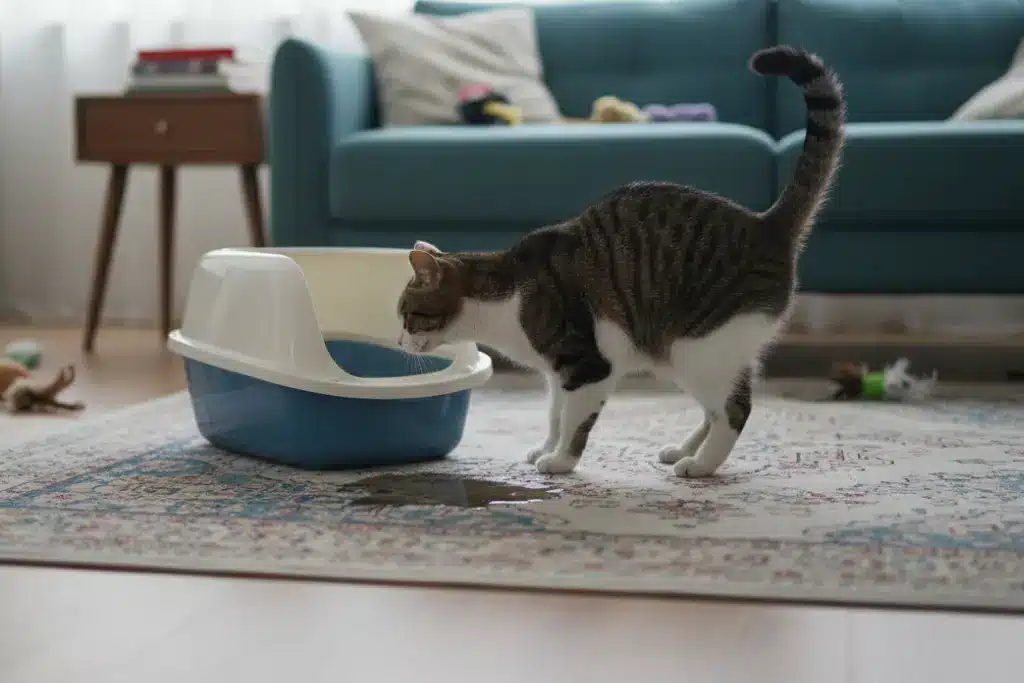
6. House Soiling or Litter Box Avoidance
When a previously house-trained dog starts having accidents, or a cat stops using the litter box, most owners assume it’s behavioural.
It’s usually not.
Arthritis pain makes it hard to squat or climb into a litter box. Cognitive dysfunction causes confusion about where to go. Incontinence from age-related muscle weakness is common in senior pets.
This isn’t stubbornness. It’s a medical issue that deserves veterinary attention and environmental adjustments, lower-sided litter boxes, more frequent bathroom breaks, waterproof bedding.
7. New Lumps, Bumps, or Swelling
Cancer risk increases with age in both dogs and cats. Not every lump is cancer, but every lump should be checked.
I’ve found lumps during routine care visits that owners hadn’t noticed yet. Early detection makes a huge difference in treatment outcomes.
“Monitoring” a lump doesn’t mean ignoring it. It means tracking size, texture, and location, and reporting changes to your vet immediately.
8. Reduced Grooming or Coat Changes
Cats are meticulous groomers. When a senior cat stops grooming, it’s a warning sign.
Arthritis makes it painful to twist and reach. Dental disease makes it uncomfortable to groom. Cognitive decline reduces the motivation to groom.
Dogs also show coat changes when they’re unwell. A dull, greasy, or matted coat in a dog who used to have a healthy shine often indicates underlying illness or pain.
9. Confusion in Familiar Spaces
If your senior pet gets lost in their own home, stands in corners, or seems disoriented in familiar spaces, that’s an early indicator of CDS.
I’ve noticed this happens more in complex layouts, like condos in Mississauga with multiple levels or confusing floor plans. Pets with cognitive decline struggle to navigate spaces they’ve lived in for years.
Environmental modifications help. Night lights, consistent furniture placement, and blocking off areas that confuse all reduce stress.
10. Increased Vocalization
Senior pets who suddenly start vocalizing more, whining, crying, meowing, or howling, are often trying to tell you something.
Pain, anxiety, and cognitive decline all trigger increased vocalization. Cats with hyperthyroidism often yowl at night. Dogs with CDS vocalize when they’re confused or anxious.
This isn’t attention-seeking. It’s communication.
11. Personality Changes
If your friendly, outgoing dog becomes withdrawn or irritable, or your independent cat suddenly becomes clingy, that’s not a temperament shift.
It’s often pain, illness, or cognitive decline.
I’ve seen this happen dozens of times. A dog who snaps when touched in a certain spot is likely in pain. A cat who hides constantly is likely feeling unwell. These changes are signals, not bad behaviour.
If even one of these feels familiar, a calm second set of eyes can help.
Senior Pet Care Looks Different Across Ontario
Every city in Ontario brings unique challenges for senior pet care. Here’s what I’ve observed in each.
Ottawa, Cold Winters & Apartment Living
Ottawa winters are hard on senior pets, especially those with arthritis. Cold weather intensifies joint pain and stiffness. I’ve seen dogs who move fine in summer struggle to walk in -20°C temperatures.
Apartment living near ByWard Market or other dense neighbourhoods adds another challenge. Stairs are unavoidable in many buildings, and for a senior dog with hip dysplasia or arthritis, those stairs are painful.
I adjust our care routines in Ottawa winters. Shorter walks, slower pacing, and allowing extra time for pets to warm up before heading outside. We also use ramps or lift assistance for dogs who can’t manage stairs safely.
Bruce Pit is a favourite spot for many Ottawa dogs, but I’ve learned that long, uneven trails aren’t appropriate for all seniors. Some need flat, short walks on cleared paths instead.
Hamilton, Humidity & Escarpment Terrain
Hamilton summers bring humidity, and humidity worsens inflammation, including arthritis.
I’ve noticed senior dogs in Hamilton struggle more during humid months. Their joints swell, their energy drops, and they fatigue faster on walks.
The escarpment trails around Dundas Valley and Bayfront Park are beautiful, but they’re challenging for senior pets. Steep inclines, uneven terrain, and long distances aren’t safe for dogs with mobility issues.
We adjust. Flat neighbourhood walks instead of trails. Early morning or evening walks when temperatures are cooler. Constant water availability to prevent dehydration.
Mississauga, Travel & Medical Monitoring
Mississauga’s proximity to Toronto Pearson Airport means a lot of residents travel frequently. That creates medication adherence risks for senior pets who require daily pills, insulin injections, or other time-sensitive treatments.
Missing doses, or having inconsistent caregivers who don’t understand the medication schedule, can have serious consequences for senior pets with chronic conditions.
We’ve worked with families in Port Credit and along the Credit River who travel often and need reliable, experienced caregivers who understand senior pet medical needs. That’s not something you get from rotating app-based sitters.
At Loving Paws, we track medication schedules, monitor for side effects, and coordinate with owners and vets to ensure nothing gets missed while they’re away.
How Loving Paws Supports Senior Pets at Home
We’ve been caring for senior pets since 2005, and we’ve developed specific protocols based on what actually works.
Routine-Based, Low-Stress In-Home Care
Senior pets thrive on routine. They need predictability, familiar surroundings, and minimal stress.
Boarding is one of the worst options for senior pets. The noise, unfamiliar smells, and disruption to routine trigger anxiety and can worsen cognitive dysfunction or medical conditions.
In-home care keeps your senior pet in their own space. Same bed, same food bowls, same walking routes. The only variable is the caregiver, and when that caregiver is consistent, calm, and experienced, senior pets adjust well.
We also use arthritis-friendly handling techniques. Slow movements, gentle lifting, support for hips and joints. We don’t force activity, and we respect when a senior pet needs rest.
Medical & Post-Op Monitoring
Many senior pets are managing chronic conditions, diabetes, kidney disease, hyperthyroidism, heart disease, and arthritis. They’re on multiple medications, sometimes 3–5 different pills daily.
This is called polypharmacy, and it requires careful tracking. We monitor medication schedules, watch for side effects, and document changes in appetite, energy, or behaviour.
If your senior pet needs post-operative care, dental surgery, tumour removal, or cataract surgery, we provide that too. Wound monitoring, pain management, activity restriction, and communication with your vet to ensure recovery stays on track.
We also coordinate virtual vet consultations when needed. Many veterinarians now offer remote check-ins, and we can provide the observational details they need to assess your pet’s condition without the stress of transport.
Safety, Trust & Communication
Senior pets deserve caregivers who understand their needs, respect their limitations, and communicate clearly with their owners.
At Loving Paws, all of our caregivers are background-checked, insured, and bonded. We use the Ready-Key program for secure access to your home, which eliminates the stress of last-minute key handoffs or lockbox confusion.
Every visit includes photo updates and detailed e-diary notes. You’ll know exactly what your senior pet ate, how their walk went, whether they took their medication, and if we noticed any concerning changes.
That level of communication and oversight simply isn’t possible with app-based sitters or busy boarding facilities.
Your senior pet deserves calm, consistency, and compassion.
In-Home Senior Care vs Boarding & Gig Apps
Let’s be honest about the alternatives.
Boarding facilities are stressful for senior pets. Transport alone, lifting into a car, the drive, unfamiliar smells and sounds, can trigger anxiety and worsen arthritis pain.
Once there, senior pets are often housed in kennels, surrounded by barking dogs or stressed cats. They’re eating at different times, sleeping in unfamiliar spaces, and dealing with rotating staff who don’t know their medical history or personality.
App-based platforms like Rover or Pawshake might connect you with individual sitters, but there’s no guarantee they have experience with senior pets, understand medication schedules, or know how to recognize warning signs of declining health.
Professional in-home care provides consistency, expertise, and accountability. We’re trained to recognize arthritis pain, cognitive dysfunction symptoms, and medical emergencies. We’re insured in case something goes wrong. And we’re accountable to you and to Pet Sitters International standards.
Professional senior care isn’t a gamble.
FAQ: Senior Pet Care Questions Ontario Owners Ask
How often should senior pets see a vet?
Senior pets should see a vet at least every 6 months, even if they seem healthy. Geriatric pets or those with chronic conditions may need quarterly visits or more. Bloodwork and urinalysis should be done annually to catch kidney disease, diabetes, and thyroid issues early.
Is slowing down always arthritis?
Not always, but often. Slowing down can also indicate heart disease, neurological issues, or pain from other sources. If your pet is moving less, hesitating on stairs, or limping, a vet visit is warranted. Don’t assume it’s “just age.”
Is in-home care better for anxious seniors?
Yes. In-home care eliminates the stress of transport, unfamiliar environments, and disrupted routines. For senior pets with anxiety or cognitive dysfunction, staying home with a calm, familiar caregiver significantly reduces stress and improves quality of life.
Can sitters give medications safely?
Professional sitters with medical experience can. At Loving Paws, we’ve administered insulin, given pills, applied eye drops, and managed complex medication schedules for years. We track doses, watch for side effects, and coordinate with owners and vets.
When should quality-of-life be assessed?
Quality-of-life should be assessed continuously as your pet ages, but especially when you notice changes in mobility, appetite, behaviour, or comfort. Tools like the HHHHHMM scale can help. If you’re unsure, talk to your vet about conducting a formal assessment.
Is senior care more expensive than boarding?
Professional in-home care is often comparable to or only slightly higher than boarding, especially when you factor in medical oversight, reduced stress, and the value of personalized attention. Boarding may seem cheaper upfront, but the hidden costs, stress, anxiety, and potential medical complications are significant.
How do I know my sitter understands aging pets?
Ask about their experience. How many senior pets have they cared for? What medical conditions are they comfortable managing? Do they recognize signs of pain, cognitive dysfunction, or distress? At Loving Paws, we’ve been caring for senior pets since 2005, it’s not something we improvise.
Let’s build a care plan that fits your pet, not a checklist.
Aging Deserves Attention, Not Assumptions
Your senior pet has spent years giving you loyalty, companionship, and love. They deserve the same in return, especially now, when they need you most.
Aging isn’t something to ignore or dismiss. It’s a stage of life that requires closer observation, more frequent veterinary care, and thoughtful adjustments to routines and environments.
Here in Ontario, where winters are harsh, travel is common, and urban living presents unique challenges, senior pets need advocates who understand what they’re going through and what they need.
You don’t have to navigate this alone. Professional, experienced in-home care gives you peace of mind and gives your senior pet the calm, consistent support they deserve.
Book trusted, in-home senior pet care with Loving Paws today.