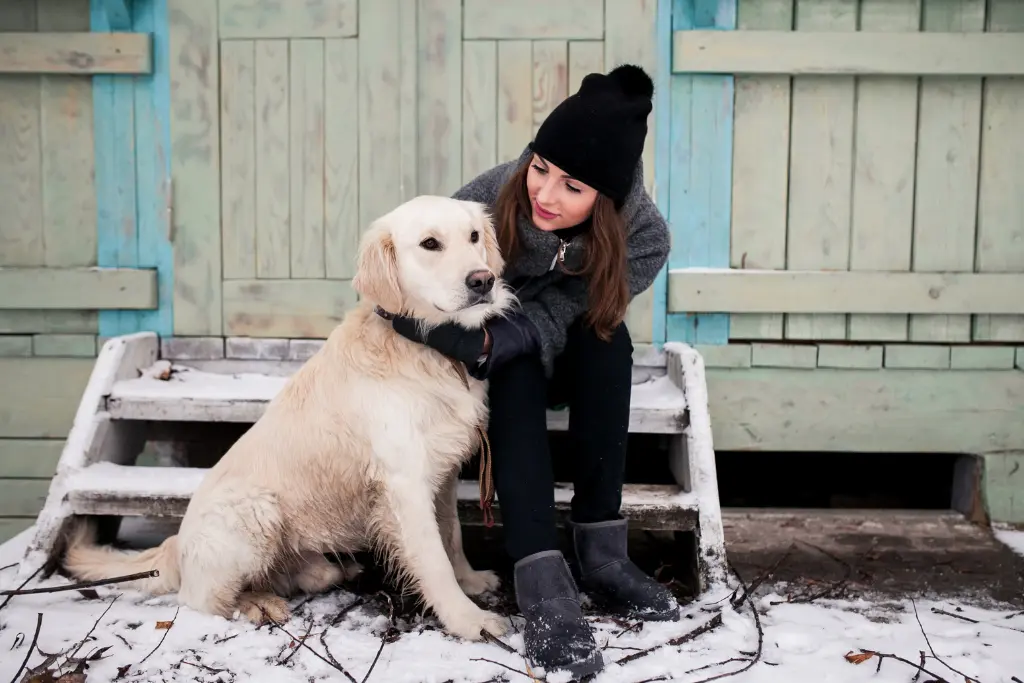
You’ve just brought your rescue dog home. Maybe they’re hiding under the bed, refusing to eat, or pacing nervously around the living room. You’re wondering if you made a mistake, if they’ll ever settle down, or if something’s wrong.
Let me tell you right now: what you’re seeing is completely normal.
The 3-3-3 rule says it takes roughly 3 days for a rescue dog to decompress, 3 weeks to learn your routine, and 3 months to truly feel at home. It’s a guideline, not a hard science, but after nearly 20 years of caring for rescue dogs across Ottawa, Hamilton, and Mississauga, I can tell you it’s remarkably accurate.
We’ve worked with hundreds of rescue dogs at Loving Paws since 2005. We’ve seen the scared ones, the shut-down ones, the anxious ones, and the ones who seemed fine at first but fell apart two weeks in. Adjustment is a process, not a test. And if your rescue feels overwhelmed right now, you’re not doing anything wrong.
If your rescue feels overwhelmed right now, you’re not doing anything wrong.
What the 3-3-3 Rule Really Means for Rescue Dogs
The 3-3-3 rule isn’t a rigid timeline. It’s a framework that helps new rescue owners understand what’s happening during those early, often confusing weeks.
Some dogs move through these phases faster. Others take longer. What matters is recognizing where your dog is in the process and adjusting your expectations accordingly.
Here’s what each phase actually looks like in real homes.
First 3 Days: The Decompression Period
The first 72 hours after adoption are often the hardest, for both you and your dog.
Your rescue has just been through a massive transition. They’ve left the shelter or foster home, ridden in a car (maybe for the first time in a while), and entered a completely unfamiliar environment. Everything is new: the smells, the sounds, the people, the layout of your home.
What we see most often during this phase is shutdown. The dog hides, refuses food, won’t make eye contact, and shows little interest in exploring. Some people mistake this for calmness, but it’s not. It’s a nervous system in overload.
Other dogs go the opposite direction, pacing, panting, whining, or trying to escape. Both responses are normal.
What helps most during decompression is space and routine. Don’t overwhelm your dog with attention, visitors, or new experiences. Give them a quiet room, a comfortable bed, fresh water, and time to breathe. Let them come to you when they’re ready.
First 3 Weeks: Learning Routines & Trust
Around the end of week one and into week three, things often get harder before they get easier.
Your dog is starting to realize this situation is permanent, but they don’t yet trust it. Fear behaviours often peak during this window. Separation anxiety, if it’s going to develop, typically shows up between day 13 and day 17. Research suggests 13–17% of rescue dogs will struggle with separation anxiety during early adjustment.
This is also when accidents happen, boundaries get tested, and your dog’s true personality starts to emerge, not always in easy ways.
Consistency is everything during this phase. Feed at the same time. Walk the same routes. Use the same door. Keep the same people around as much as possible. Predictability builds trust faster than anything else.
If you need to travel or be away during this period, having the same caregiver every time makes a huge difference. Rotating sitters or boarding disrupts the routine your dog is desperately trying to learn.
First 3 Months: Bonding & True Personality
Around the three-month mark, most rescue dogs start to relax. They’ve figured out the routine. They know you’re not going anywhere. Their true personality, the one that was buried under fear and stress, starts to show.
This is when you see confidence, playfulness, affection, and trust. It’s also when many adopters finally feel like they’ve bonded with their dog.
Unfortunately, it’s also the phase many people never reach. A significant number of rescue returns happen before the three-month mark because owners give up during the hard middle weeks.
Data shows that maintaining consistent routines reduces return rates by 15–20%. Dogs who experience stability during those first critical months are far more likely to stay in their adoptive homes long-term.
Why Rescue Dogs Struggle More Than People Expect
I think a lot of people adopt rescue dogs expecting gratitude, calmness, and an easy transition. The reality is often very different.
What the Research Shows
Research on post-adoption behaviour shows that 93.8% of rescue dogs display some form of behavioural issue in the first few months. That’s almost all of them.
These issues aren’t necessarily severe; they can be as mild as hesitation around new people or reluctance to go outside, but they’re real, and they require patience.
Ontario has also seen a 17% increase in shelter surrenders post-COVID, many of them linked to anxiety or behavioural challenges that owners weren’t prepared to manage. That tells me two things: rescue dogs are struggling, and so are their adopters.
It’s also important to understand that anxiety doesn’t equal aggression. Most rescue dogs are fearful, not dangerous. But fear-based behaviours, barking, lunging, hiding, or refusal to engage, can be exhausting and discouraging if you don’t know what you’re dealing with.
Common Emotional Mistakes New Owners Make
I’ve seen a lot of well-meaning adopters make the same mistakes during those early weeks.
The first is expecting gratitude. You rescued this dog, so they should love you immediately, right? That’s not how trauma works. Your dog doesn’t know you saved them. They just know everything is unfamiliar and scary.
The second mistake is too much stimulation too soon. Taking your rescue to the dog park, introducing them to every friend and family member, or letting them explore the whole house on day one, overwhelms them. Slow is better.
The third mistake is boarding too early. I cannot stress this enough: boarding a rescue dog during the first three months is one of the worst things you can do for their adjustment. It undoes all the routine and trust you’ve been building.
What We’ve Observed Sitting Rescue Dogs Since 2005
We’ve cared for hundreds of rescue dogs over the years, and certain patterns show up again and again.
Patterns We See Across Hundreds of Rescue Dogs
Dogs in multi-pet homes tend to show about 25% higher anxiety during adjustment compared to single-dog households. I think that’s because they’re not just learning to trust you, they’re also navigating relationships with other animals.
Senior rescue dogs need slower timelines. A 10-year-old dog who’s spent years in a shelter isn’t going to bounce back in three weeks. They need gentleness, patience, and sometimes medical support for conditions that were neglected before adoption.
Dogs with medical needs, post-op recovery, chronic conditions, and medication schedules experience amplified stress during adjustment. Their bodies are already taxed, and the emotional upheaval of adoption compounds that.
What I’ve also noticed is that rescue dogs do better when their caregivers are calm, predictable, and unemotional. High energy, hovering, or overly affectionate behaviour from owners can actually increase anxiety in dogs who are still learning to trust.
Why In-Home Care Supports the 3-3-3 Rule Better
When adopters need to travel or work long hours during those first critical months, in-home care is the only option that doesn’t disrupt adjustment.
Your dog stays in their home. They eat in the same spot. They sleep in the same bed. Their routine doesn’t change. The only variable is the person checking in on them, and if that person is consistent, familiar, and calm, the dog adjusts to them, too.
Boarding, by contrast, is a disaster for rescue dogs in early adjustment. It’s unfamiliar, chaotic, and stressful. It resets all the progress you’ve made.
At Loving Paws, we’ve worked with the Ottawa Humane Society and Hamilton-Burlington SPCA over the years, and we’ve seen firsthand what happens when rescue dogs lose stability during those first few months. They regress. Fear behaviours come back. Trust erodes.
Rescue dogs don’t need more stimulation; they need stability.
Ontario-Specific Rescue Challenges
Every city in Ontario brings unique challenges for rescue dog adjustment. Here’s what we’ve observed in each.
Ottawa: Winters, Condos & Quiet Decompression
Ottawa winters are brutal, and they make early adjustment harder for rescue dogs who need exercise and outdoor time to decompress.
When it’s -20°C outside, walks are short. Dogs spend more time indoors, which can increase restlessness and anxiety if they’re not getting enough mental and physical stimulation.
Condo living near ByWard Market or other dense neighbourhoods adds another layer of difficulty. Noise from hallways, neighbouring units, and street traffic can overwhelm a dog who’s already on edge. Soundproofing is terrible in older buildings, and rescue dogs pick up on every thump, voice, and footstep.
The Ottawa Humane Society does a good job preparing adopters for this reality, but not everyone listens. They emphasize patience, quiet decompression, and avoiding overstimulation during those first few weeks, advice that becomes even more important during the winter months.
If you’re in Ottawa and you’ve just adopted, give your dog a quiet interior room away from windows and doors. Let them decompress slowly. Don’t rush the process.
Hamilton: Humidity, Escarpment Trails & Energy Management
Hamilton summers bring humidity, which increases stress in dogs, especially long-haired breeds and dogs who are already anxious.
The escarpment offers beautiful trails like Dundas Valley and Bayfront Park, but not every rescue dog is ready for high-energy hikes during early adjustment. Overexertion can trigger stress responses, especially in dogs who aren’t used to off-leash freedom or unfamiliar terrain.
The Hamilton-Burlington SPCA sees a lot of high-energy breeds, Labs, shepherds, huskies, who need controlled exercise, not chaotic overstimulation. A calm 20-minute leash walk is better than an hour of unstructured running during the first few weeks.
Humidity also affects appetite and hydration. I’ve had to monitor rescue dogs in Hamilton more closely during the summer months to make sure they’re drinking enough water and not overheating from stress-induced panting.
Mississauga: Travel, Pearson Airport & Routine Disruption
Mississauga’s proximity to Toronto Pearson Airport means a lot of residents travel frequently. That’s a problem for rescue dog adjustment because consistency is everything during those first three months.
If you’re away for two weeks after adoption, even for a work trip, your dog’s routine gets disrupted. If you’re using different caregivers each time, the disruption is even worse.
Dogs in Port Credit and along the Credit River trails are often left with sitters or boarded during their owners’ trips. I’ve worked with families who didn’t realize how much damage that inconsistency was doing until their dog started regressing, hiding again, refusing food, or showing separation anxiety that wasn’t there before.
If you live in Mississauga and you travel for work, plan. Hire the same sitter every time. Keep your dog’s routine as stable as possible, even when you’re not home.
Adjustment looks different depending on where and how you live.
Myths That Sabotage Rescue Dog Adjustment
Let me clear up a few dangerous misconceptions I hear all the time.
Myth vs Fact: What Actually Helps
Myth: My rescue dog should settle in right away.
Fact: Most rescue dogs take weeks to months to truly relax. Expecting immediate adjustment sets both of you up for failure.
Myth: Boarding helps socialize my dog faster.
Fact: Boarding during early adjustment is one of the worst things you can do. It’s overstimulating, stressful, and disrupts the routine your dog needs to feel safe.
Myth: All rescue dogs are damaged or traumatized.
Fact: Rescue dogs aren’t broken. They’re adjusting to massive life changes. With patience, consistency, and support, most thrive.
Myth: If I comfort my anxious dog, I’ll reinforce the fear.
Fact: You cannot reinforce fear with affection. Comforting your dog helps them feel safe. Ignoring them makes anxiety worse.
Myth: My dog will bond faster if I’m always around.
Fact: Hovering increases pressure. Dogs need space to decompress. Let them come to you on their terms.
How Loving Paws Supports the 3-3-3 Rule In Real Homes
We’ve been doing this work since 2005, and we’ve developed specific protocols for rescue dogs in early adjustment.
Our Rescue-Focused Care Protocols
When we care for a rescue dog during their first few months, we’re not just feeding and walking them. We’re protecting their routine, monitoring their behaviour, and supporting their emotional needs.
We enter calmly. We avoid overstimulation. We don’t force interaction. We let the dog set the pace.
We stick to the feeding schedule, walk routes, and routines the owner has established. If the dog hides during our visit, we don’t drag them out. We leave food and water nearby, complete our tasks quietly, and give them space.
We also use positive reinforcement to build trust. Treats, calm praise, and patience go a long way with anxious dogs.
Every visit is documented in diary notes, and you can upgrade to text or email diary notes with photos of your pet. If we notice changes, increased hiding, refusal to eat, separation distress, we contact the owner immediately so they can adjust their approach or consult a trainer or vet.
Medical & Post-Op Oversight During Adjustment
A lot of rescue dogs come home with medical needs, spay/neuter recovery, dental work, medication schedules, or chronic conditions that were neglected before adoption.
We’re experienced in managing medical care during adjustment. We track medication timing, monitor appetite and hydration, watch for signs of infection or complications, and coordinate with owners to ensure nothing gets missed.
If your dog needs virtual vet support, we can facilitate that too. Many vets now offer remote consultations, and we can provide the observational details they need to assess your dog’s condition.
Professional in-home care supports adjustment better than boarding or apps.
FAQs: The 3-3-3 Rule & Rescue Dog Adjustment
How strict is the 3-3-3 rule?
It’s a guideline, not a hard timeline. Some dogs decompress in days. Others take six months or longer. What matters is recognizing the phases and adjusting your expectations based on where your dog is emotionally.
Is anxiety normal after adoption?
Absolutely. Most rescue dogs show some level of anxiety during the first few weeks. It’s a natural response to massive change. If anxiety is severe or isn’t improving after a month, consult a vet or certified trainer.
Should I leave my rescue dog alone early on?
Short absences are fine, but avoid long stretches alone during the first few weeks. If you need to work or travel, hire a consistent caregiver who can maintain your dog’s routine. Don’t board them.
When should I contact my vet or trainer?
Contact your vet if your dog refuses food for more than 48 hours, shows signs of illness, or exhibits severe anxiety (constant pacing, destructive behaviour, self-harm). Contact a certified trainer if fear-based behaviours aren’t improving after a month or if you’re struggling to manage them.
Does in-home sitting delay bonding?
No. In-home sitting supports bonding by maintaining the routine and stability your dog needs to feel safe. Disrupting that routine with boarding or inconsistent care is what delays bonding.
Is boarding harmful during adjustment?
Yes. Boarding during the first three months is highly disruptive. It resets progress, increases anxiety, and can undo weeks of trust-building. If you must be away, in-home care is the only option that preserves stability.
How long before my dog feels “at home”?
Most dogs start to relax around the three-month mark, but some take longer. Seniors, dogs with trauma histories, and dogs with medical needs often need six months to a year. Patience and consistency are key.
Final Thoughts:
You didn’t fail if your rescue dog is still hiding after a week. You didn’t fail if they’re showing separation anxiety at two weeks. You didn’t fail if they’re not the happy, confident dog you imagined yet.
Adjustment takes time. It’s messy, it’s frustrating, and it doesn’t follow a perfect timeline. But with patience, consistency, and the right support, most rescue dogs get there.
We’ve seen it happen hundreds of times over the past 20 years. The scared dog who hid under the bed becomes the one who greets us at the door. The anxious dog who couldn’t be left alone learns to trust. The shut-down dog opens up.
It just takes time and stability.
If your rescue dog needs calm, consistent care during adjustment, Loving Paws is here to help.