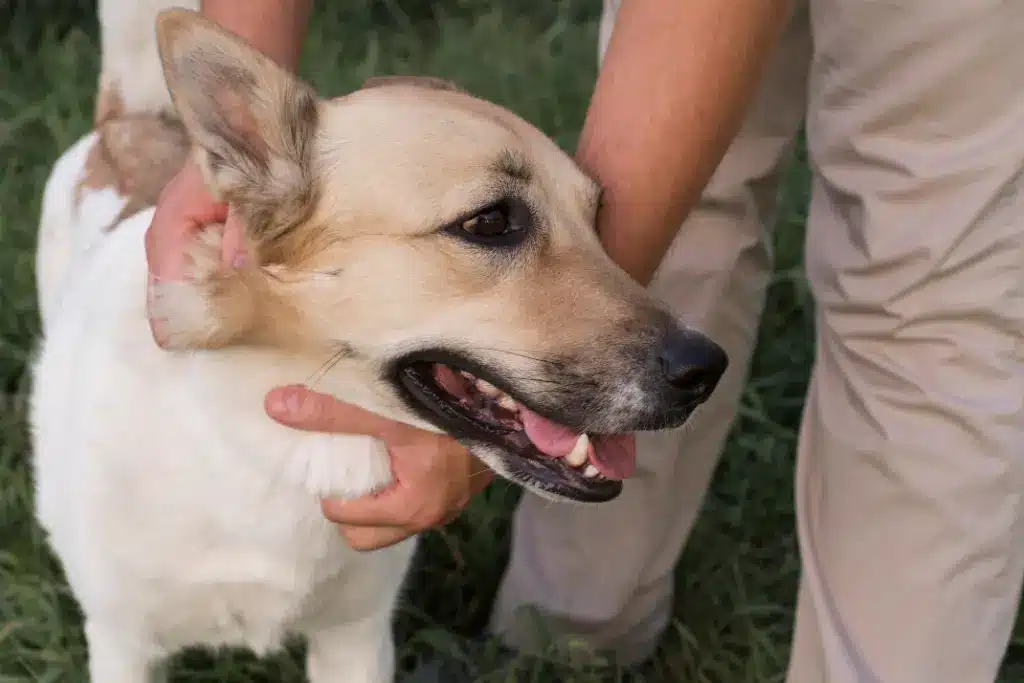
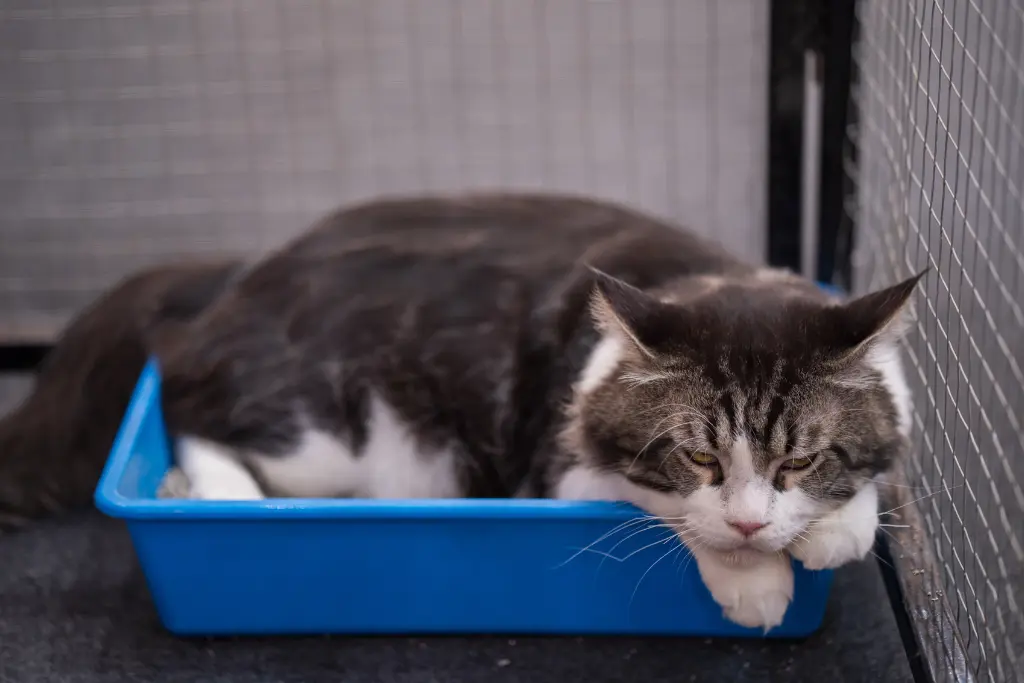
You’ve just noticed your dog scratching relentlessly at their ear. Or your cat’s been to the litter box six times in the past hour. Or your rabbit hasn’t touched their food since yesterday morning.
It’s 9 PM. Your vet’s office is closed. You’re not sure if this is an emergency or something that can wait until morning. And you’re not about to spend four hours in an emergency clinic if you don’t have to.
This is exactly the gap that virtual veterinary care was built to fill.
After nearly 20 years of in-home pet care across Ottawa, Hamilton, and Mississauga, we’ve seen how much stress pet owners carry when something seems off, and they don’t know where to turn. Virtual vet appointments have become one of the most practical tools we recommend to our clients, not as a replacement for in-person care, but as a first line of guidance when you need answers fast.
Here’s a breakdown of what virtual vets can actually treat, by species, and when it makes sense to book an appointment instead of waiting it out.
Why Virtual Veterinary Care Is More Useful Than Most People Realize
A lot of pet owners assume telemedicine is a second-rate option, something you use when you can’t get a “real” appointment. That’s not how it works in practice.
Virtual vets are licensed professionals. They can assess symptoms, provide diagnoses for many conditions, recommend treatment plans, prescribe medications in some cases, and critically tell you whether what you’re seeing requires emergency attention or can be managed at home.
That last point alone is worth its weight in gold. Knowing whether to rush to an emergency clinic or monitor your pet overnight is exactly the kind of judgment call that causes pet owners the most anxiety. A 20-minute virtual consultation can give you that clarity without the stress or cost of an after-hours emergency visit.
For pet owners who travel frequently, work long hours, or rely on in-home care providers to monitor their pets during the day, virtual vet access also means you don’t have to be physically present to get professional guidance. You can book from your office, your hotel room, or across the country and still make informed decisions about your pet’s health in real time.
What Virtual Vets Can Treat (General Conditions Across All Species)
Before diving into species-specific cases, it’s worth understanding what virtual care can address broadly. Most licensed telemedicine vets can consult on:
Acute medical concerns: sudden changes in behaviour, appetite, or energy that don’t yet require emergency intervention but need professional eyes. Our medical care team works alongside virtual vets to monitor these situations daily when owners aren’t home.
Behavioural concerns: aggression, anxiety, obsessive behaviours, and stress-related changes. If your dog started showing aggression after a routine change, or your cat began hiding under the bed after a move, a virtual consult is a great starting point.
Skin conditions: rashes, redness, hot spots, hair loss, and itching. These are among the most common presenting complaints across all species and are often diagnosable from photos and videos.
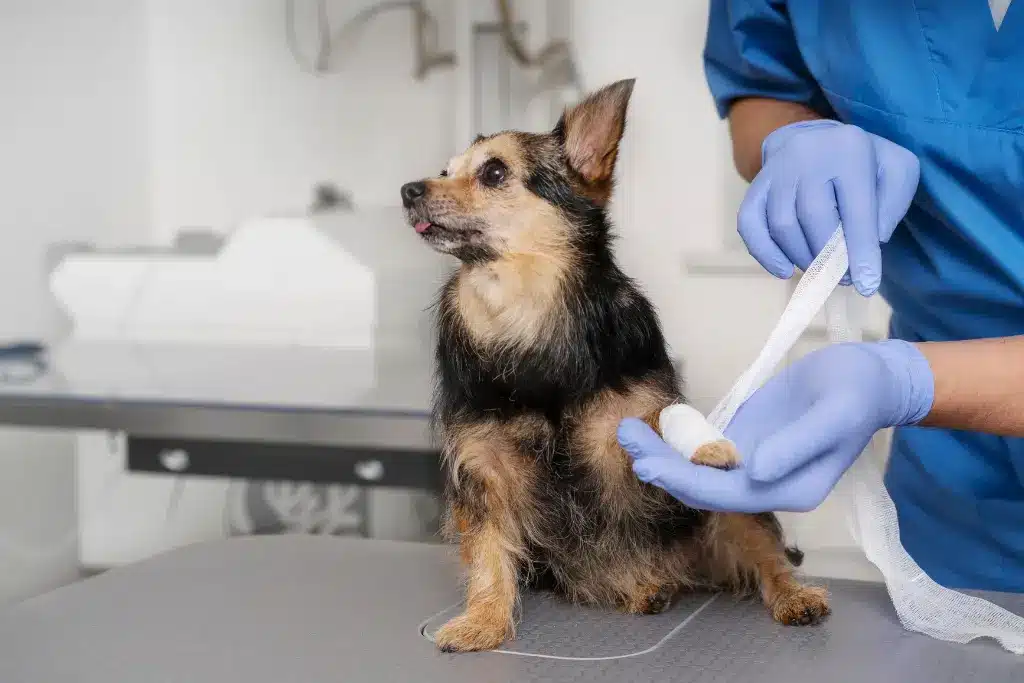
Minor cuts and wounds: virtual vets can assess whether a wound needs stitches, can be treated at home, or requires a same-day clinic visit.
Gastrointestinal issues: vomiting, diarrhea, changes in stool consistency or colour, and reduced appetite. If you’ve noticed changes in your dog’s stool and aren’t sure what they mean, a virtual consult can help you triage quickly.
Dietary and nutritional concerns: weight changes, food transitions, supplement questions, and breed-specific dietary needs.
Puppy and kitten wellness: early socialization questions, vaccination schedules, training support, and developmental milestones.
Preventative wellness: year-round health questions that don’t warrant a full in-clinic visit but deserve professional input.
Allergies: environmental, food-based, and seasonal. Virtual vets can help you identify patterns and recommend next steps.
Virtual Vet Cases by Species
The types of cases that come through virtual care look quite different depending on the animal. Here’s what we see most commonly.
Dogs
Skin issues are consistently the most common reason dog owners book a virtual appointment, including itching, scratching, smelly coats, and unexplained rashes. Ear infections come in a close second, particularly in floppy-eared breeds like Cocker Spaniels and Basset Hounds, who are prone to moisture buildup.
Other common virtual vet cases for dogs include parasite concerns (fleas, ticks, mange), skunk encounters, vomiting and diarrhea, mobility and joint issues, particularly in senior dogs who seem to be limping or reluctant to put weight on a leg, and changes in appetite that don’t seem linked to an obvious cause.
If you have a puppy, virtual care is also an excellent resource for training support, vaccination questions, and early behavioural guidance. Our dog and puppy sitting team regularly flags health changes that owners can then bring to a virtual vet for same-day guidance.
Cats
For cats, litter box changes are the single most common reason for a virtual appointment, including increases or decreases in urination volume, going outside the box, straining, or blood in the urine. These can signal anything from stress-induced cystitis to a urinary blockage, and knowing which one you’re dealing with matters enormously for how quickly you need to act.
Vomiting and diarrhea, changes in appetite, mobility issues, and viral infection symptoms, such as sneezing, runny eyes, or a weepy nose, are also commonly addressed through virtual care.
Cats are experts at hiding discomfort. Our cat sitting caregivers are trained to notice subtle changes in behaviour and litter box habits that might warrant a virtual consult before a problem escalates into something more serious.
If you’re in Ottawa, Hamilton, or Mississauga and your cat is showing any of these signs, a virtual veterinary appointment is often the fastest way to get clarity on what’s happening and what to do next.
Pocket Pets (Hamsters, Guinea Pigs, Rabbits, Hedgehogs, Rats, Mice)
Small animals are often underserved by traditional veterinary care; not every clinic has an exotic animal specialist, and emergency options can be limited depending on where you live in Ontario.
Virtual care fills that gap well. Common cases include eye or skin irritations, irregular behaviour (lethargy, hiding, unusual aggression), and changes in urination or bowel habits. Because pocket pets can deteriorate quickly when something is wrong, early virtual triage is especially valuable for this group.
Reptiles
Reptile health concerns are another area where virtual care often outperforms the alternatives, simply because qualified reptile vets can be hard to find locally. Common virtual cases include eye or skin irritation, irregular behaviour, bowel and urination issues, lack of shedding (which can indicate husbandry problems or underlying health conditions), and infections.
A virtual vet with exotic animal experience can assess lighting, temperature, and habitat setup through video in ways that can prevent many common reptile health problems before they become serious.
Fish and Aquatic Animals
It might surprise some pet owners to know that virtual care extends to fish and aquatics, but for dedicated fish keepers, it makes complete sense. Bacterial and viral infections, skin and scale lesions, diet and nutrition questions, water quality management, and immune health are all areas where a knowledgeable virtual vet can provide meaningful guidance without requiring you to transport your fish anywhere.
Horses
For horse owners in the Ottawa Valley and surrounding Ontario regions, virtual care has become an increasingly practical option, particularly for initial assessment before an in-person farm visit. Common cases include eye, skin, and ear irritations, irregular urination or bowel movements, lameness issues and mobility concerns, behavioural changes, and diet and nutrition questions. A virtual consult can help you determine whether what you’re observing is urgent or can be monitored, saving both time and trailing costs.
When Virtual Care Is the Right Call And When It Isn’t
Virtual veterinary care is excellent for assessment, triage, and guidance. It is not a replacement for emergency or surgical care.
If your pet is in acute distress, struggling to breathe, bleeding heavily, unable to urinate (especially male cats, who can develop fatal blockages within 24–48 hours), unconscious, or showing signs of severe pain, go directly to an emergency clinic.
In Ottawa, the Ottawa Animal Emergency and Specialty Hospital (OAESH) provides 24/7 care. Hamilton and Mississauga both have emergency veterinary networks that can see your pet quickly.
For everything else, the uncertain 9 PM moments, the “is this normal?” questions, the early warning signs that your in-home caregiver flagged during a visit, virtual care is often the smartest, fastest first step.
How In-Home Care and Virtual Vet Access Work Together
One of the things we hear most often from clients is that they worry about missing health changes when they’re at work or travelling. That’s a legitimate concern. Cats and dogs don’t always show obvious symptoms, and small changes can escalate quickly if they go unnoticed.
This is why we’ve built health monitoring into every visit our caregivers make. When something looks off, a change in litter box habits, softer stool than usual, reduced appetite, hiding behaviour that wasn’t there yesterday, we document it in our e-diary notes and reach out to owners immediately.
That early observation creates a window for action. Instead of discovering a problem after it’s become serious, owners can consult a virtual vet the same day, armed with specific observations from a trained caregiver who was actually there.
That combination of daily in-home monitoring paired with fast access to virtual veterinary guidance is one of the most effective ways we’ve found to keep pets healthy and owners informed, especially when life is busy and you can’t always be home yourself.
FAQs: Virtual Veterinary Care for Ontario Pet Owners
Is virtual veterinary care covered by pet insurance? Some policies do cover telemedicine consultations, especially when the visit results in a diagnosis or prescription. Check your policy for coverage on virtual appointments and follow up with a documented visit summary from your vet.
Can a virtual vet prescribe medication? In many cases, yes. Licensed veterinarians in Ontario can prescribe medications through telemedicine for conditions they can adequately assess remotely. Your virtual vet will advise you on whether a prescription is appropriate or whether an in-clinic visit is needed first.
How do I prepare for a virtual vet appointment? Have your pet accessible and in good lighting. Be ready to describe symptoms clearly, when they started, how frequently they occur, and any recent changes in diet, environment, or routine. If your in-home caregiver has been documenting observations, have those notes handy. They’re often exactly the kind of detail a virtual vet needs to make an informed assessment.
What if the virtual vet thinks my pet needs to be seen in person? They’ll tell you directly, and they’ll help you understand how urgently. That guidance alone, knowing whether you’re dealing with a same-day emergency or a scheduled appointment situation, is often worth the cost of the virtual consult on its own.
Can virtual vets help with behavioural issues? Absolutely. Aggression, anxiety, stress-related elimination issues, obsessive behaviours, and training concerns are all within scope. For puppies, we’d also recommend exploring our puppy training services alongside virtual behavioural guidance for a more comprehensive approach.
Book a Virtual Vet Appointment
Our network connects Ontario pet owners with licensed veterinary professionals who can address immediate concerns from the comfort of your home, any time, any day.
Whether your dog has been scratching since this morning, your cat’s litter box habits changed overnight, or you just want a second opinion before committing to a clinic visit, virtual veterinary care gives you fast, professional answers without the wait.
And if you need someone on the ground monitoring your pet’s health every day while you’re away or at work, our caregivers in Ottawa, Hamilton, and Mississauga are trained to catch the early signs that matter most.